

Inflammation is a natural part of your body’s defense system. When you get injured or catch an infection, your immune system responds by sending white blood cells to the affected area to protect and heal. While this short-term (acute) inflammation is essential for recovery, chronic inflammation can be harmful and has been linked to conditions such as arthritis, diabetes, heart disease, and even certain cancers. The good news is that what you eat can make a significant difference. Including anti-inflammatory foods in your diet can help keep your immune system balanced and your body functioning at its best.
Below are the top 10 anti-inflammatory foods you should consider adding to your meals. Each of these foods is backed by research for its potential to fight inflammation naturally while providing essential nutrients to support overall health.
Fatty Fish
Fatty fish such as salmon, mackerel, sardines, and tuna are among the best sources of omega-3 fatty acids, particularly EPA (eicosapentaenoic acid) and DHA (docosahexaenoic acid). These healthy fats are known to reduce inflammation by interfering with inflammatory pathways in the body. Omega-3s help decrease the production of molecules and substances linked to inflammation, such as cytokines and eicosanoids. Regular consumption of fatty fish not only supports heart health but also improves brain function and joint mobility. Aim to include at least two servings of fatty fish per week, grilled, baked, or steamed rather than fried, to retain their nutritional benefits.
Berries
Berries like blueberries, strawberries, raspberries, and blackberries are packed with antioxidants, vitamins, and fiber. They contain compounds known as anthocyanins, which give them their vibrant colors and powerful anti-inflammatory properties. Antioxidants in berries help neutralize free radicals that can cause oxidative stress and chronic inflammation in the body. Studies suggest that regular berry consumption can help lower inflammatory markers, improve immune response, and support heart health. You can enjoy them as snacks, in smoothies, or as toppings for yogurt and oatmeal.
Leafy Green Vegetables
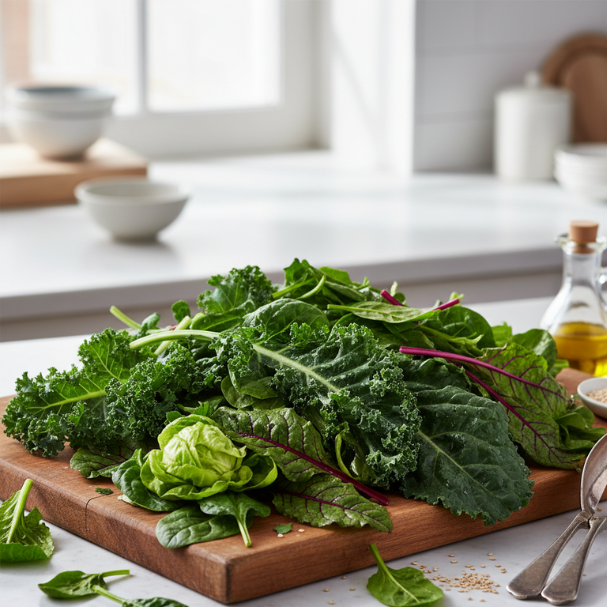
Leafy greens such as spinach, kale, collard greens, and Swiss chard are some of the most nutrient-dense foods you can eat. They are rich in vitamins A, C, and K, along with minerals like calcium, magnesium, and iron. These vegetables are also packed with antioxidants and polyphenols that help combat inflammation. Vitamin K, in particular, plays a crucial role in regulating inflammatory responses in the body. Including a variety of leafy greens in your diet can strengthen your immune system, support bone health, and improve overall vitality. Try incorporating them into salads, soups, and stir-fries for maximum benefits.
Turmeric
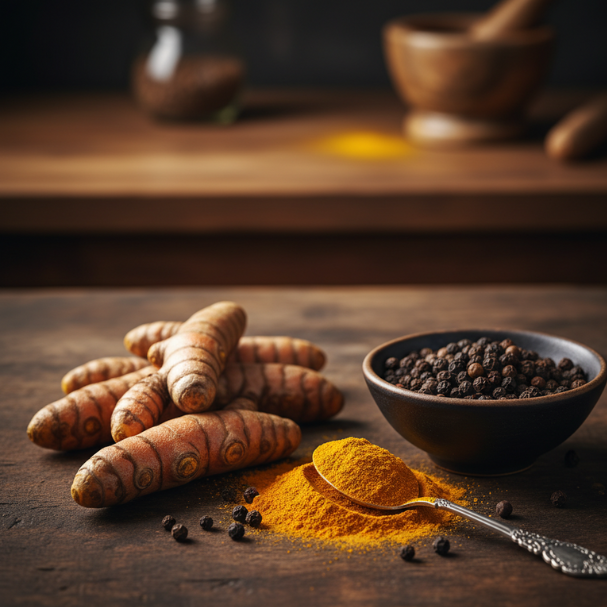
Turmeric is a golden spice widely recognized for its powerful anti-inflammatory properties, thanks to its active compound, curcumin. Curcumin has been extensively studied for its ability to inhibit molecules that trigger inflammation, such as NF-kB, which plays a role in many chronic diseases. Although turmeric has a relatively low curcumin concentration, even small amounts can be beneficial when used regularly. To enhance its absorption, pair turmeric with black pepper, which contains piperine—a compound that increases curcumin’s bioavailability. You can add turmeric to curries, soups, or even mix it into teas and smoothies for a natural anti-inflammatory boost.
Olive Oil
Olive oil, especially extra virgin olive oil, is a staple of the Mediterranean diet and one of the healthiest fats you can consume. It contains monounsaturated fats and a compound called oleocanthal, which has been shown to act similarly to anti-inflammatory drugs by reducing inflammation in the body. Olive oil also provides antioxidants that protect your cells from oxidative stress. Regular consumption of olive oil has been linked to lower risks of heart disease and reduced inflammation markers. Use it as your primary cooking oil or drizzle it over salads and roasted vegetables for added flavor and health benefits.
Green Tea
Green tea is one of the most studied beverages for its health-promoting effects, particularly its anti-inflammatory and antioxidant properties. It is rich in polyphenols called catechins, especially epigallocatechin gallate (EGCG), which help fight oxidative stress and inflammation. Regular green tea consumption has been associated with a lower risk of chronic diseases such as heart disease, cancer, and neurodegenerative disorders. Drinking a cup or two of green tea daily can help support your body’s natural defense system. You can enjoy it hot, iced, or as a base for smoothies for a refreshing, health-boosting drink.
Nuts and Seeds
Nuts and seeds, including almonds, walnuts, chia seeds, and flaxseeds, are excellent sources of healthy fats, fiber, and antioxidants. They are particularly high in omega-3 fatty acids and vitamin E, both of which help reduce inflammation. Walnuts, for instance, are rich in alpha-linolenic acid (ALA), a type of omega-3 that supports cardiovascular health. Almonds provide vitamin E, which helps protect cells from oxidative damage. Including a handful of nuts and seeds in your daily diet can improve heart health, maintain stable blood sugar levels, and promote a healthy inflammatory response. They can be enjoyed as snacks, added to salads, or blended into smoothies.
Tomatoes
Tomatoes are a rich source of lycopene, a powerful antioxidant with notable anti-inflammatory properties. Lycopene has been linked to a reduction in inflammatory markers and may help protect against certain chronic conditions, particularly those affecting the heart and lungs. Cooking tomatoes increases the bioavailability of lycopene, making tomato-based dishes such as sauces and soups especially beneficial. Tomatoes also contain vitamin C, potassium, and folate, which contribute to overall immune function and health. For a natural anti-inflammatory meal, consider pairing tomatoes with olive oil, as healthy fats enhance lycopene absorption.
Ginger
Ginger is another potent anti-inflammatory food that has been used for centuries for its medicinal properties. It contains compounds known as gingerols and shogaols, which help inhibit the production of pro-inflammatory chemicals in the body. These compounds also have antioxidant and immune-boosting effects. Regular consumption of ginger may help reduce muscle soreness, improve digestion, and support a balanced inflammatory response. You can add fresh or powdered ginger to stir-fries, soups, teas, and smoothies to enjoy its benefits. It pairs well with both sweet and savory dishes, making it easy to incorporate into your daily diet.
Dark Chocolate
Yes, you can enjoy chocolate and still support your health—provided you choose the right kind. Dark chocolate, especially those containing at least 70% cocoa, is packed with flavonoids, a type of antioxidant known for its anti-inflammatory effects. These compounds help reduce inflammation and improve blood vessel function, which supports heart health. Dark chocolate also promotes the release of serotonin, improving mood and reducing stress, which can indirectly influence inflammation levels in the body. However, moderation is key; a small piece of dark chocolate can provide benefits without adding excess sugar or calories.
Additional Tips for an Anti-Inflammatory Diet
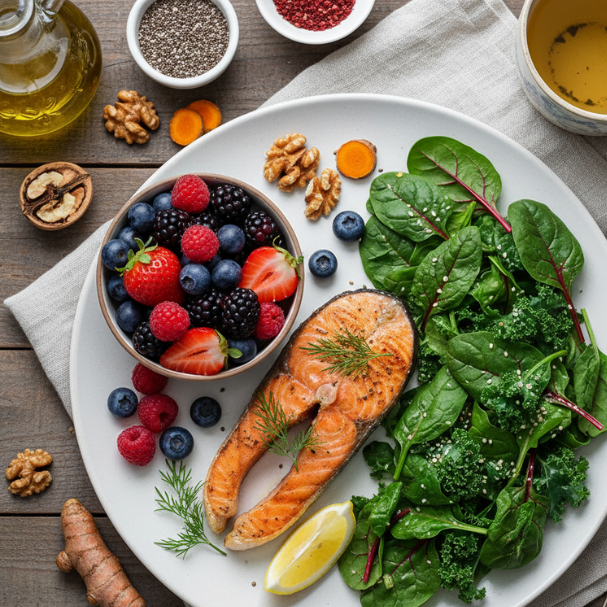
While individual foods can have anti-inflammatory benefits, the overall pattern of your diet matters the most. Focus on whole, unprocessed foods that are rich in antioxidants, healthy fats, and fiber. Limit your intake of refined carbohydrates, sugary drinks, and processed snacks, which can trigger inflammation. Staying hydrated, managing stress, getting regular exercise, and getting enough sleep also play an important role in reducing chronic inflammation. Combining these lifestyle habits with a diet rich in anti-inflammatory foods can help your body maintain balance and promote long-term health.
You can also read:
What’s an Anti-Inflammatory Diet?
Final Thoughts
Inflammation is a complex process that can either protect or harm your body depending on how it’s managed. While acute inflammation is necessary for healing, chronic inflammation can silently damage tissues and lead to disease. The foods you eat are one of the most effective ways to control inflammation naturally. Fatty fish, berries, leafy greens, turmeric, olive oil, green tea, nuts, tomatoes, ginger, and dark chocolate are some of the best choices to include in your daily meals. They not only help reduce inflammation but also nourish your body with essential nutrients. Adopting an anti-inflammatory diet isn’t about strict rules—it’s about making small, consistent choices that support your health. By focusing on wholesome, nutrient-dense foods, you can enhance your well-being, protect against disease, and enjoy a more energetic, balanced life.
At Ciranox, we make it easy to start your personalized wellness journey. All you need to do is fill up our sign-up form to get subscription-based guidance tailored to your needs, including nutrition plans designed to fight inflammation and improve overall health. By taking this simple step, you can gain access to expert support, actionable strategies, and resources that help you thrive every day.