

In today’s fast-paced world, it’s common to feel overwhelmed, tense, or on edge. Between work, relationships, finances, and social responsibilities, everyone experiences moments when life feels like too much to handle. But sometimes, those feelings can linger, intensify, and begin to affect daily life. When that happens, people often wonder — is it just stress, or could it be anxiety? While the two are closely related and even share similar symptoms, understanding their differences is essential to finding healthy ways to cope and knowing when it’s time to seek help.
Understanding Stress
Stress is a natural, short-term reaction to a challenge or demand. It’s the body’s way of preparing to handle difficult situations — whether it’s meeting a deadline, solving a problem, or dealing with an unexpected event. When you encounter a stressful situation, your body activates what’s known as the “fight or flight” response. This causes a rush of hormones like adrenaline and cortisol, which help you stay alert, focused, and ready to respond.
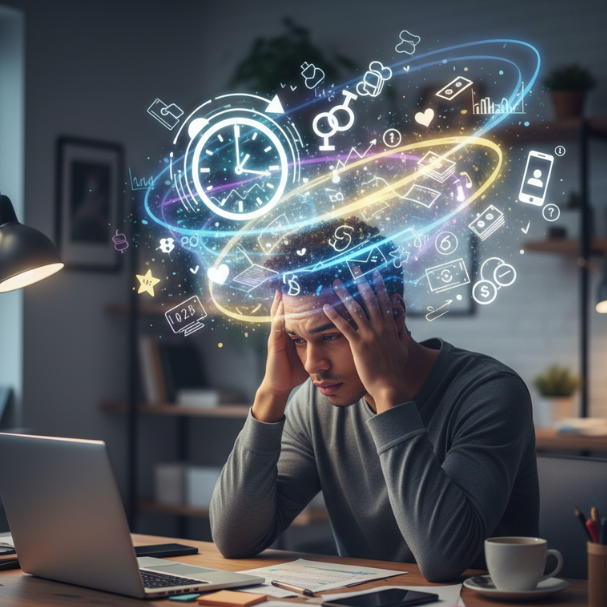
In small doses, stress can actually be beneficial. It motivates you to take action, perform better, and stay alert. For example, feeling stressed before a big presentation might push you to prepare more thoroughly. However, when stress becomes chronic — meaning it doesn’t go away after the situation is resolved — it can start to harm both your mental and physical health. Prolonged stress can affect your mood, sleep, digestion, and even immune system, leading to burnout and fatigue.
Common Causes of Stress
Stress can come from many different sources, and what feels stressful for one person might not affect another in the same way. Some common sources of stress include work pressures, academic demands, financial difficulties, relationship challenges, and major life changes like moving or marriage. Even positive events, such as starting a new job or welcoming a baby, can bring stress due to the adjustment required.
Environmental factors like traffic, noise, or overcrowded spaces can also play a role. In today’s digital age, constant exposure to social media and the pressure to stay connected can further increase stress levels. Over time, this kind of stress can build up and make it harder for the body and mind to relax, even when there’s no immediate threat.
Recognizing the Symptoms of Stress
Stress affects everyone differently, but there are some common signs to look out for. Physically, stress can cause headaches, muscle tension, fatigue, and changes in appetite. Emotionally, it can make you feel irritable, frustrated, or easily overwhelmed. You might find yourself having difficulty concentrating, losing motivation, or feeling out of control.
Behaviorally, stress can lead to unhealthy coping mechanisms such as overeating, procrastination, or withdrawing from social activities. Some people may also notice that they are more prone to forgetfulness or mistakes when under stress. The good news is that once stress is identified, there are often practical ways to manage it — through relaxation techniques, physical activity, better time management, and self-care practices.
Understanding Anxiety
While stress is a response to an external trigger, anxiety is more about an internal, ongoing state of worry or fear that doesn’t always have a clear cause. Anxiety can persist even when the stressor is gone. It’s the feeling of dread or unease that lingers, sometimes without a specific reason. Unlike stress, which tends to come and go, anxiety can become a constant companion that interferes with daily life.
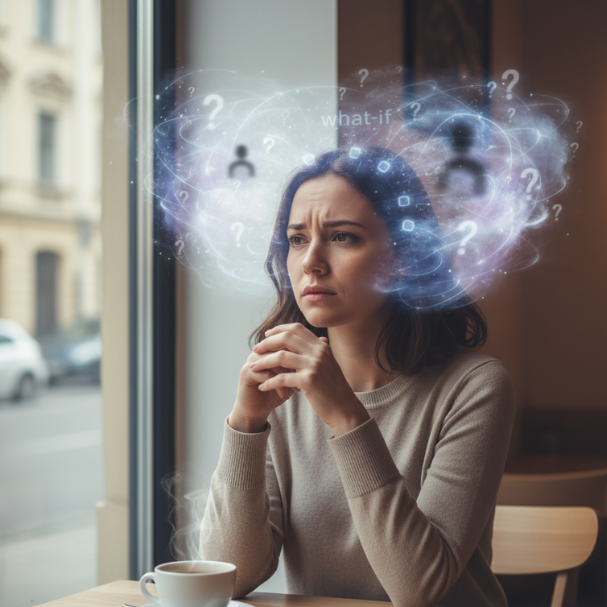
Anxiety often shows up as excessive worry about future events, fear of the unknown, or overthinking worst-case scenarios. It can feel like your mind is stuck in a loop of “what if” thoughts, even when everything around you seems fine. While mild anxiety is a normal part of life, intense or chronic anxiety can make it hard to focus, sleep, or enjoy everyday activities.
Common Triggers of Anxiety
Anxiety can be triggered by many of the same things that cause stress — such as work deadlines, relationship problems, or financial concerns — but it can also occur without any obvious trigger. For some people, anxiety might stem from past experiences or fears about potential future situations. Even small issues can feel magnified, leading to constant worry or restlessness.
Certain situations, like public speaking, meeting new people, or traveling, can make anxiety worse. For others, changes in routine or uncertainty about the future can increase feelings of anxiety. Over time, anxiety can become so ingrained that the body and mind remain in a heightened state of alertness, even during calm moments.
Recognizing the Symptoms of Anxiety
Anxiety affects both the mind and body. Mentally, it can cause racing thoughts, constant worry, difficulty concentrating, and a sense of impending danger. Physically, it might show up as a rapid heartbeat, sweating, trembling, stomach discomfort, dizziness, or shortness of breath. Many people also experience sleep disturbances, muscle tension, or fatigue due to prolonged anxiety.
Emotionally, anxiety can lead to irritability, restlessness, and feelings of helplessness. It might make you avoid situations that trigger worry or fear, which can further limit your activities and independence. Unlike stress, which tends to subside once the problem is resolved, anxiety can linger and intensify over time.
The Key Differences Between Stress and Anxiety
While stress and anxiety share several symptoms, there are clear distinctions between them. Stress is usually tied to a specific event or situation — for example, an upcoming exam, a work project, or a family conflict. Once that event passes, the stress often fades. Anxiety, on the other hand, can continue even when there’s no identifiable cause. It’s often internal and ongoing.
Another difference lies in how they feel emotionally. Stress tends to make people feel pressured, overwhelmed, or tense, but it can also motivate them to take action. Anxiety, however, often feels paralyzing — it can create a sense of dread that prevents you from moving forward. Physically, both can cause similar symptoms, but anxiety is often accompanied by more intense fear or worry that doesn’t align with the actual situation.
Understanding these differences can help you recognize what you’re experiencing and decide on the best way to manage it. If your feelings are connected to a temporary challenge, stress-management techniques may help. But if those feelings persist or start to affect your daily life, it might be a sign of ongoing anxiety that needs professional attention.
When to Seek Help
It’s normal to feel stressed or anxious occasionally, but it’s important to know when those feelings are becoming too much to handle on your own. You should consider seeking help if your stress or anxiety feels overwhelming, lasts for several weeks, or begins to interfere with your relationships, work, or overall well-being.
Other signs that it’s time to seek help include constant worry that doesn’t go away, physical symptoms like chest tightness or sleep disturbances, or difficulty focusing on daily tasks. If you find yourself avoiding social situations, losing interest in activities you once enjoyed, or feeling persistently on edge, it’s a good idea to talk to a mental health professional.
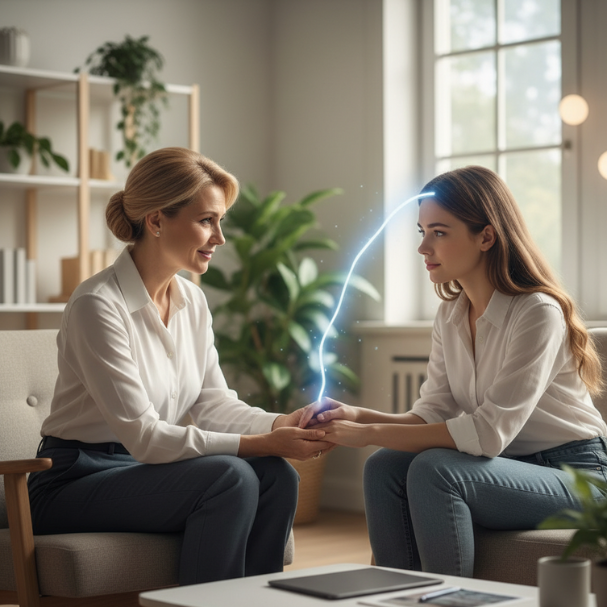
Seeking help doesn’t mean you’re weak — it means you’re taking charge of your mental health. Just like you would visit a doctor for physical pain, it’s equally important to reach out for emotional support when your mind feels overwhelmed. Early intervention can make a significant difference in recovery and help prevent your symptoms from worsening.
Healthy Ways to Cope
While seeking professional support is important for persistent anxiety or stress, there are also several self-help strategies that can promote mental wellness. Regular physical activity, such as walking or yoga, helps release built-up tension and supports a calm mind. Mindfulness and deep breathing exercises can also help regulate emotions and bring your focus back to the present moment.
Maintaining a balanced lifestyle is another key factor. Prioritizing sleep, staying hydrated, and eating nourishing foods contribute to better mental and physical health. Setting healthy boundaries at work and in relationships can prevent unnecessary stress, while taking breaks throughout the day can help reset your energy levels.
Connecting with supportive friends and family can also make a big difference. Talking openly about what you’re going through not only reduces emotional burden but also helps you gain perspective. Journaling, creative activities, or spending time in nature are other great ways to relieve stress and anxiety naturally.
The Importance of Self-Awareness
One of the most valuable tools in managing stress and anxiety is self-awareness. By learning to recognize your triggers, physical cues, and emotional patterns, you can respond more effectively to challenges. Self-awareness helps you catch stress early before it turns into something more serious.
You can start by regularly checking in with yourself — ask how you’re feeling and what’s been affecting your mood. If you notice persistent tension, worry, or fatigue, it might be time to pause and make adjustments in your routine. Over time, this practice can help you build resilience and develop healthier coping mechanisms.
Final Thoughts
Stress and anxiety are natural parts of life, but they don’t have to control it. Understanding the difference between the two can help you manage your emotions more effectively and know when to reach out for support. Stress is often a temporary response to challenges, while anxiety tends to linger and may require professional help to overcome.
No one should feel alone in dealing with these emotions. Talking about mental health and seeking help is a sign of strength, not weakness. Whether through professional guidance or personal self-care, there are many ways to find balance and calm. Life may always bring challenges, but by learning to recognize and manage stress and anxiety, you can navigate them with greater peace and confidence. All you need to do is fill up the sign-up form with Ciranox to start your journey toward better mental health and holistic well-being today.