

Pregnancy is a transformative journey that places unique physical, emotional, and nutritional demands on a woman’s body. During this time, every meal contributes not only to the mother’s strength and resilience but also to the growth and development of the baby. Balanced eating is not about strict rules or perfection; it is about making consistent, mindful choices that nourish both lives. Scientific research and clinical experience repeatedly show that balanced eating throughout pregnancy plays a key role in maternal and fetal health, influencing outcomes from conception to postpartum recovery and even into the child’s future.
A thoughtful approach to nutrition during pregnancy helps manage energy levels, supports healthy weight gain, reduces the risk of complications, and lays the foundation for lifelong wellness. Understanding how food choices shape this journey empowers expecting mothers to care for themselves with confidence and intention.
Healthy Eating During Pregnancy and Its Impact on Overall Wellbeing
Healthy eating during pregnancy is one of the most powerful ways a mother can support her body as it adapts to profound changes. From the earliest weeks, the body begins working harder to supply nutrients, oxygen, and energy to the developing fetus. This increased demand means that food quality becomes just as important as quantity.
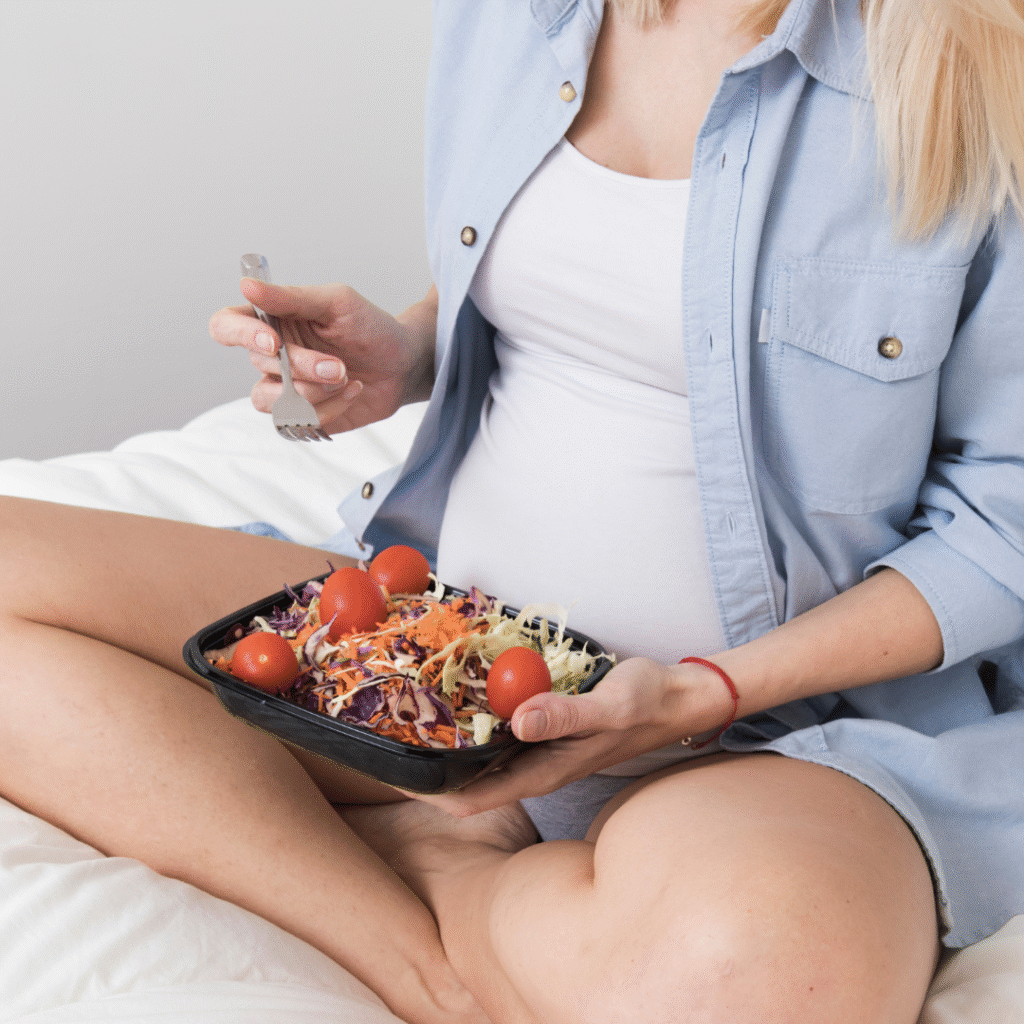
Choosing nutrient rich foods for mothers helps stabilize blood sugar levels, reduce fatigue, and support hormonal balance. Whole grains, lean proteins, fruits, vegetables, healthy fats, and adequate hydration work together to provide essential vitamins and minerals such as iron, calcium, folate, and omega-3 fatty acids. These nutrients support everything from red blood cell production to brain development.
Beyond physical health, healthy eating during pregnancy also influences emotional wellbeing. Nutritional balance can help regulate mood, reduce the severity of nausea, and support better sleep patterns. When the body is properly nourished, it is better equipped to handle stress and the emotional shifts that often accompany pregnancy.
The Importance of Balanced Nutrition for Mother and Baby
The importance of balanced nutrition during pregnancy cannot be overstated. A balanced diet ensures that both macronutrients and micronutrients are supplied in the right proportions to meet increased physiological needs. Carbohydrates provide energy, proteins support tissue growth and repair, and fats contribute to brain and nervous system development.
For the mother, balanced nutrition supports immune function, helps maintain healthy blood pressure, and reduces the risk of gestational diabetes and anemia. For the baby, it supports proper organ formation, healthy birth weight, and optimal cognitive development.
A balanced diet for maternal health also plays a role in preventing nutrient deficiencies that can have lasting consequences. For example, insufficient iron intake may lead to fatigue and increased risk of preterm delivery, while inadequate calcium can affect bone health in both mother and child. By focusing on balance rather than restriction, expecting mothers can meet these needs without unnecessary stress.
Maternal Diet Benefits That Extend Beyond Pregnancy
The maternal diet benefits of balanced eating extend far beyond the nine months of pregnancy. Nutrition during this period sets the stage for postpartum recovery and long-term maternal health. Women who maintain healthy food choices during pregnancy often experience smoother recoveries, better energy levels, and improved emotional stability after childbirth.
Balanced eating supports the body’s ability to heal, particularly after labor and delivery. Adequate protein intake aids tissue repair, while vitamins and minerals support immune resilience. These benefits are especially important during the postpartum period, when sleep deprivation and new responsibilities can challenge physical and mental health.
For the baby, the effects of maternal nutrition continue after birth. Research suggests that prenatal nutrition influences metabolic health, immune function, and even taste preferences later in life. The long term benefits of healthy eating during pregnancy can include reduced risk of chronic conditions and improved developmental outcomes for children.
Building a Healthy Lifestyle During Pregnancy Through Food Choices
A healthy lifestyle during pregnancy is built on daily habits, and nutrition is at its core. Rather than viewing diet as a temporary requirement, many women find that pregnancy becomes an opportunity to develop healthier patterns that last a lifetime.
Healthy food choices during pregnancy encourage mindfulness and intentionality. Listening to hunger and fullness cues, planning balanced meals, and prioritizing variety can transform eating into an act of self-care rather than obligation. This approach reduces guilt and anxiety around food while promoting consistency.
Incorporating balanced nutrition into a broader healthy lifestyle during pregnancy also means recognizing the connection between food, movement, rest, and emotional wellbeing. When combined with gentle physical activity, adequate sleep, and stress management, balanced eating enhances overall quality of life during this critical time.
Nutrient Rich Foods for Mothers and Their Role in Fetal Development
Nutrient rich foods for mothers provide the building blocks needed for fetal growth and development. Each stage of pregnancy brings different nutritional priorities, from early neural tube formation to later bone and muscle development.
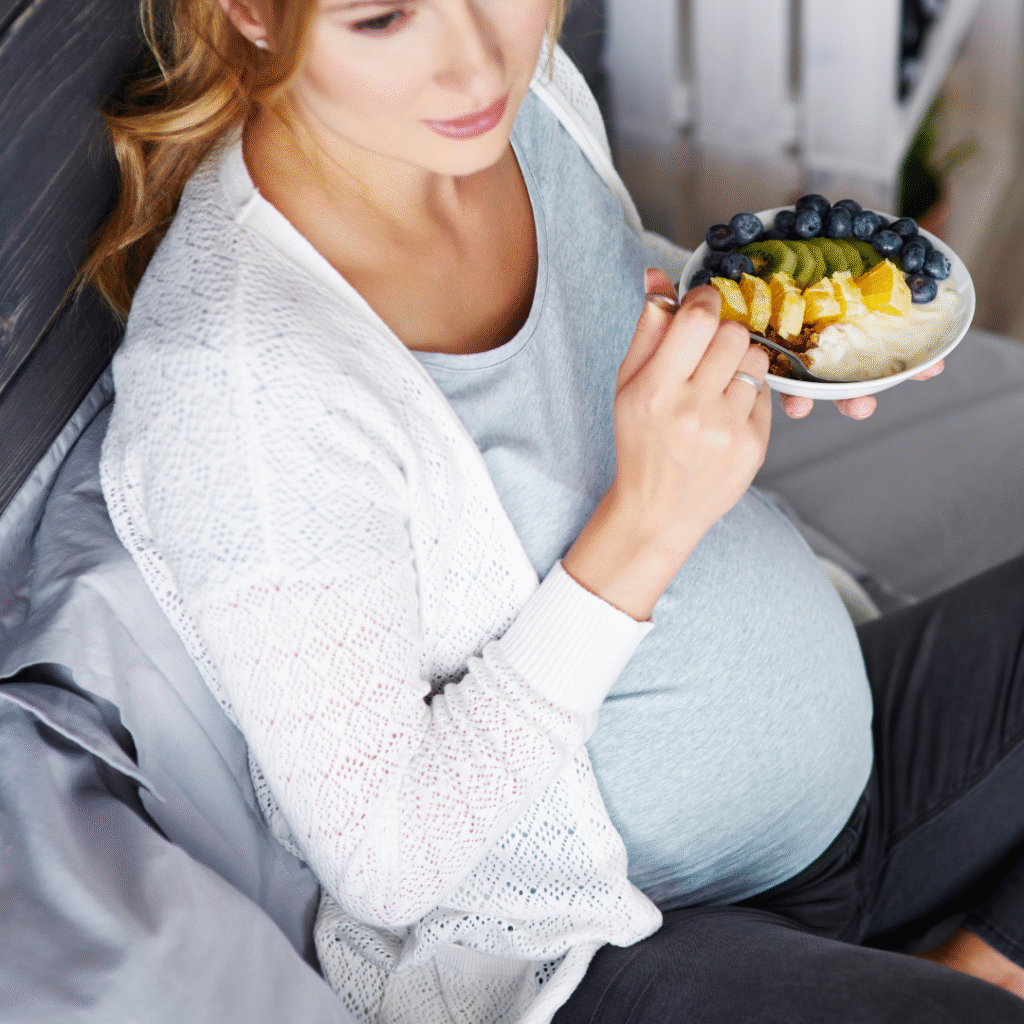
Foods rich in folate support early brain and spinal cord development, while iron-rich options help meet increased blood volume demands. Calcium and vitamin D contribute to skeletal strength, and healthy fats support brain and eye development. A balanced diet for maternal health ensures that these nutrients are available consistently, reducing the likelihood of deficiencies.
The emphasis on nutrient density rather than empty calories helps optimize outcomes without excessive weight gain. By focusing on quality, expecting mothers can feel confident that their bodies are equipped to support their baby’s needs.
Balanced Diet for Maternal Health and Pregnancy Outcomes
Maintaining a balanced diet for maternal health is closely linked to positive pregnancy outcomes. Consistent, well-rounded nutrition helps regulate weight gain, supports cardiovascular health, and reduces the likelihood of complications such as preeclampsia or gestational diabetes.
Healthy eating during pregnancy also supports digestive health, which can be challenged by hormonal changes. Fiber-rich foods aid digestion and help prevent constipation, while adequate hydration supports circulation and nutrient transport.
From a clinical perspective, women who follow balanced nutritional patterns often experience fewer medical interventions and more stable prenatal checkups. These outcomes highlight how daily food choices can have a cumulative, protective effect throughout pregnancy.
Long Term Benefits of Healthy Eating for Mothers and Children
The long term benefits of healthy eating during pregnancy extend well into the future for both mother and child. For mothers, establishing balanced eating habits can reduce the risk of chronic conditions such as cardiovascular disease, type 2 diabetes, and osteoporosis later in life.
For children, prenatal nutrition influences lifelong health trajectories. Studies suggest that balanced maternal diets are associated with improved cognitive development, healthier weight patterns, and stronger immune systems in children. These outcomes reinforce the idea that pregnancy nutrition is an investment in future wellbeing.
Healthy food choices during pregnancy also shape family habits. Many parents continue the nutritional practices they adopted during pregnancy, creating a home environment that supports balanced eating for years to come.
Emotional and Psychological Effects of Balanced Nutrition
Nutrition during pregnancy affects more than physical health; it also plays a role in emotional and psychological wellbeing. Balanced eating helps stabilize blood sugar levels, which can influence mood and energy. This stability may reduce irritability, anxiety, and extreme fatigue.
A healthy lifestyle during pregnancy that includes mindful nutrition can also enhance a sense of control and confidence. Feeling nourished and supported physically often translates into greater emotional resilience, helping mothers navigate the uncertainties and changes of pregnancy.
By prioritizing balanced nutrition, expecting mothers send a powerful message of care to themselves and their babies, reinforcing a positive relationship with food and body image.
Also Read:
Healthy Nutrition Support Before, During, and After Pregnancy
FAQs
Why nutrition matters during pregnancy and postpartum
Nutrition matters during pregnancy and postpartum because it directly supports the body’s ability to grow, heal, and adapt. During pregnancy, nutrients fuel fetal development and protect maternal health, while postpartum nutrition supports recovery, breastfeeding, and emotional balance. Consistent, balanced eating during both phases helps maintain energy levels, supports immune function, and reduces the risk of long-term health issues for mother and child.
How healthy eating supports pregnancy outcomes
Healthy eating supports pregnancy outcomes by providing essential nutrients that reduce the risk of complications and promote optimal growth. Balanced nutrition helps regulate weight gain, maintain healthy blood pressure, and support fetal organ development. When the body receives adequate nourishment, it is better prepared to sustain a healthy pregnancy and delivery.
Benefits of a balanced diet for expecting mothers
The benefits of a balanced diet for expecting mothers include improved energy, stronger immunity, better digestion, and enhanced emotional wellbeing. Balanced eating also supports healthy weight gain and reduces the likelihood of nutrient deficiencies. These benefits contribute to a more comfortable pregnancy experience and smoother postpartum recovery.
Role of nutrition in maternal well being
The role of nutrition in maternal well being is foundational. Proper nourishment supports physical strength, hormonal balance, and mental health throughout pregnancy and beyond. By choosing balanced, nutrient rich foods, mothers can protect their own health while providing the best possible start for their babies.
Conclusion
Balanced eating throughout pregnancy plays a key role in maternal and fetal health by supporting physical, emotional, and long-term wellbeing. Through healthy eating during pregnancy, understanding the importance of balanced nutrition, and embracing the maternal diet benefits that extend beyond childbirth, expecting mothers can nurture both themselves and their babies with confidence. These choices form the foundation of a healthy lifestyle during pregnancy and create lasting benefits that reach far into the future. At Ciranox, we make it easy to start your journey toward optimal maternal health — all you need to do is fill up our sign-up form to get your subscription and access personalized nutrition guidance designed for every stage of your pregnancy.