

Detox diets have become one of the most talked-about health trends in recent years. From social media influencers to wellness blogs, everyone seems to have an opinion about detoxing and cleansing. Many claim that detox diets flush toxins from the body, boost energy, improve skin, and even reset the digestive system. But what’s the real truth behind these claims? Are detox diets truly beneficial for your health, or are they just another passing trend fueled by clever marketing? Let’s explore the science, the myths, and the reality behind detox diets to understand what they actually do for your body.
Understanding the Concept of Detox
The idea behind detox diets is quite simple. The term “detox” suggests cleansing the body of harmful substances or toxins. Supporters of detox diets often claim that our bodies are constantly exposed to toxins through processed foods, pollution, chemicals, and even stress. These diets usually involve a temporary change in eating habits—such as consuming only fruits, vegetables, juices, or smoothies—to help the body “cleanse” itself.
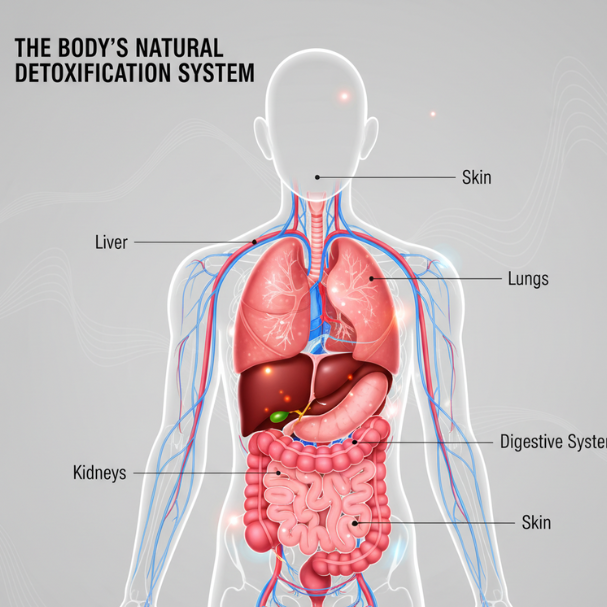
However, the truth is that the human body already has a natural detoxification system in place. The liver, kidneys, skin, lungs, and digestive tract work together every single day to process and eliminate waste products and unwanted substances. These organs function like a built-in filtration system that doesn’t need external help from restrictive diets or expensive detox products.
How the Body Naturally Detoxifies
Before diving deeper into detox diets, it’s important to understand how your body naturally removes toxins. The liver plays the most significant role by filtering blood coming from the digestive tract, metabolizing drugs and chemicals, and converting harmful substances into less toxic forms that can be excreted. The kidneys filter out waste and excess fluids through urine. The skin eliminates toxins through sweat, while the lungs expel carbon dioxide and other gases. Even the intestines play an important role by moving waste through the digestive tract and maintaining a healthy balance of gut bacteria.
This natural process happens continuously and efficiently in healthy individuals. Supporting these organs through a balanced diet, hydration, and proper rest is often far more effective than following extreme detox plans.
The Different Types of Detox Diets
Detox diets come in many forms, each promising different benefits. Some of the most common include:
-
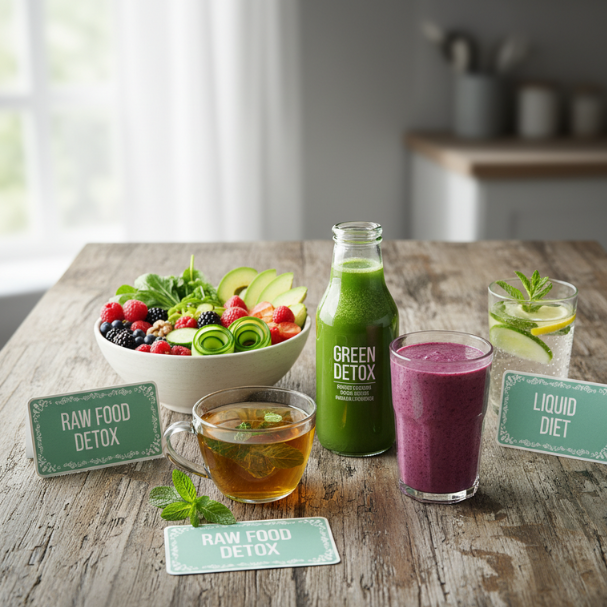
Juice Cleanses: These involve consuming only fruit and vegetable juices for several days. Proponents claim this floods the body with vitamins and antioxidants while eliminating toxins.
-
Smoothie Cleanses: Similar to juice cleanses but thicker and often include fiber from blended fruits and vegetables.
-
Water Fasting or Liquid Diets: Some detox plans encourage drinking only water, herbal teas, or broths for a set period.
-
Raw Food Detox: These emphasize eating raw fruits, vegetables, nuts, and seeds while avoiding cooked or processed foods.
-
Elimination Diets: These involve removing potential allergens or irritants such as sugar, gluten, caffeine, or dairy for a period of time to allow the body to “reset.”
While these diets may seem harmless or even beneficial, not all are safe or sustainable for everyone. Some can lead to nutrient deficiencies, fatigue, or digestive issues if followed for too long.
What Science Says About Detox Diets
Despite their popularity, there is limited scientific evidence supporting the effectiveness of detox diets. Most studies that claim positive results are small or poorly designed. In general, there is no scientific proof that detox diets remove toxins more efficiently than the body’s natural detox system.
However, many people do report feeling better after a short detox period. This may not be due to the diet itself but rather because they temporarily cut out processed foods, refined sugar, alcohol, and caffeine—things that often make the body feel sluggish. Eating more fruits, vegetables, and drinking plenty of water during a detox can indeed make you feel more energized and refreshed, but that’s simply the result of a cleaner, more nutrient-rich diet—not necessarily a detox process.
The Psychological Side of Detox Diets
Beyond the physical aspect, detox diets often have a strong psychological effect. They give people a sense of control over their health and can serve as a mental reset. Many individuals see detoxing as a way to start fresh, especially after periods of overeating or unhealthy habits. The feeling of “starting over” can be motivating and can encourage better long-term dietary choices.
However, this mindset can also be problematic if it becomes a cycle of restriction followed by indulgence. Using detox diets as a quick fix rather than focusing on sustainable habits can lead to unhealthy relationships with food.
Potential Benefits of Short-Term Detoxing
Even though the concept of detoxing might be scientifically questionable, certain aspects of detox diets can provide short-term benefits when done safely and sensibly.
-
Improved Hydration: Many detox diets emphasize drinking water, herbal teas, or fresh juices. Proper hydration supports digestion, skin health, and overall well-being.
-
Increased Nutrient Intake: Consuming more fruits and vegetables provides antioxidants, vitamins, and minerals that support the body’s natural processes.
-
Reduced Processed Food Intake: Detox diets often eliminate processed foods, sugar, and additives, which can reduce bloating and fatigue.
-
Mindful Eating: Taking time to focus on what you eat can help create awareness about your eating habits and preferences.
Healthy Alternatives to Detox Diets
Instead of following restrictive detox plans, focusing on long-term healthy habits is a more effective and sustainable approach. Here are a few simple ways to support your body’s natural detox system every day:
-
Eat Whole Foods: Focus on fresh fruits, vegetables, whole grains, lean proteins, nuts, and seeds. Avoid heavily processed foods.
-
Stay Hydrated: Drink enough water throughout the day to support kidney function and digestion.
-
Get Enough Sleep: Sleep is crucial for cellular repair and detoxification. Aim for 7–9 hours per night.
-
Exercise Regularly: Physical activity promotes circulation and helps eliminate toxins through sweat.
-
Limit Alcohol and Added Sugars: Both can burden the liver and interfere with its ability to filter toxins efficiently.
-
Support Gut Health: Include fiber-rich foods and fermented items like yogurt or sauerkraut to maintain healthy digestion.
-
Manage Stress: Chronic stress can impact hormones and digestion, affecting how the body handles toxins. Mindfulness, deep breathing, and yoga can help.
The Role of Nutrition in Detoxification
Nutrition plays a vital role in supporting the body’s natural detox system. Certain nutrients help the liver perform its filtering functions efficiently. For example, foods rich in antioxidants like berries, citrus fruits, leafy greens, and cruciferous vegetables (such as broccoli and kale) can protect cells from damage caused by toxins.
Fiber, found in fruits, vegetables, and whole grains, supports digestive health by helping the body eliminate waste effectively. Adequate protein intake is also important since amino acids are involved in detoxification pathways in the liver.
Rather than short-term cleansing, maintaining a nutrient-rich, balanced diet is the most reliable way to keep your body’s detox system running smoothly year-round.
The Dangers of Extreme Detoxing
While short detox periods may not be harmful, extreme or prolonged detox diets can have negative effects. Consuming too few calories or cutting out entire food groups can lead to fatigue, dizziness, muscle loss, and weakened immunity. Some detox products—like those that promote excessive fasting or use unverified herbal supplements—can even be dangerous.
In some cases, people might experience “detox symptoms” like headaches or nausea. These are often the result of dehydration or withdrawal from caffeine or sugar, not toxins leaving the body.
Listening to Your Body
Ultimately, your body communicates what it needs through signals like hunger, fatigue, and energy levels. Instead of relying on strict detox plans, it’s better to practice mindful eating and respond to your body’s cues. If you feel bloated, sluggish, or low on energy, it’s often due to lifestyle factors like poor sleep, stress, or dehydration—not toxin buildup.
Listening to your body, getting enough rest, staying active, and choosing nutritious foods are the most natural and effective ways to help your body “detox” itself.
Conclusion
Detox diets may sound appealing because they promise a quick path to feeling refreshed and rejuvenated. However, the truth is that your body is already equipped with an incredible built-in detoxification system. While short-term detoxes can provide a mental and physical reset, they are not magic solutions for better health. Real, lasting wellness comes from consistency—eating balanced meals, staying hydrated, sleeping well, and maintaining a healthy lifestyle.
So, instead of chasing the next trendy detox, focus on nurturing your body daily. Support your natural detox organs through wholesome nutrition, regular movement, and mindfulness. That’s the real secret to feeling cleansed, energized, and in harmony with your body—not just for a few days, but for life. At Ciranox, we make this journey simple: all you need to do is fill out our sign-up form to get started and access your personalized plan, guidance, and support to transform your health from the inside out.