

Anxiety is one of the most common mental health challenges affecting people today. It shows up in different ways—racing thoughts, worry about the future, restlessness, or even physical symptoms like a fast heartbeat and muscle tension. While anxiety is often thought of as purely psychological, research and clinical experience show that it is deeply connected to our lifestyle and diet. The foods we eat, the way we manage our thoughts, and the daily choices we make can all influence how we feel mentally and emotionally.
Two approaches that have proven to be powerful in managing anxiety are Cognitive Behavioral Therapy (CBT) and nutrition counseling that focuses on food triggers. While CBT equips individuals with strategies to manage their thoughts and behaviors, nutrition counseling helps people identify how their diet might be affecting their anxiety levels. When combined, these approaches can provide a holistic way to support emotional well-being.
Understanding Anxiety and Its Connection to Daily Life
Anxiety is more than occasional worry or nervousness. It is a state of heightened alertness where the body and mind are in a constant state of readiness. This response is part of the body’s survival system, often called the “fight-or-flight” response, but in modern life it can become overactive even when there is no immediate threat. For many, anxiety interferes with work, relationships, sleep, and overall quality of life.
Lifestyle factors, including diet, play a major role in this experience. Certain foods may contribute to increased restlessness or irritability, while others support a calmer state of mind. This is why understanding food triggers and learning better coping skills through CBT can create a strong foundation for reducing anxiety.
What is Cognitive Behavioral Therapy (CBT)?
Cognitive Behavioral Therapy is one of the most widely researched and practiced forms of psychotherapy. The core idea behind CBT is that our thoughts, emotions, and behaviors are connected. Negative thought patterns can lead to heightened anxiety, which then influences behavior. By addressing these patterns, individuals can learn to reframe their thoughts and respond differently to stressful situations.
For example, someone with anxiety might think, “I will definitely fail this presentation.” This thought triggers worry, tension, and avoidance behavior. Through CBT, the individual learns to challenge that thought, replacing it with something more balanced, such as, “I have prepared well, and I will do my best.” This shift changes the emotional and behavioral response, reducing anxiety and building confidence.
Key CBT Techniques for Managing Anxiety
CBT offers a variety of practical tools. Some of the most effective strategies include:
Cognitive Restructuring
This technique focuses on identifying irrational or exaggerated thoughts and replacing them with realistic alternatives. By reframing how situations are perceived, individuals reduce the intensity of anxious responses.
Exposure Practices
Many people with anxiety avoid situations that trigger fear. Exposure practices gradually and safely encourage facing these triggers, which helps the brain learn that the feared outcome is not as dangerous as imagined. Over time, avoidance behaviors lessen, and confidence increases.
Relaxation and Breathing Exercises
CBT often integrates relaxation strategies, such as deep breathing, muscle relaxation, and mindfulness practices. These tools lower physical tension and help bring the body out of a state of constant alertness.
Behavioral Activation
Anxiety often leads to withdrawal from activities. Behavioral activation encourages individuals to re-engage in daily life, hobbies, and social interactions, which improves mood and reduces feelings of isolation.
The Role of Nutrition in Anxiety Management
While CBT focuses on the mental and behavioral aspects of anxiety, nutrition counseling looks at how diet influences emotional well-being. The brain and body are interconnected, and food plays a critical role in mood regulation, energy levels, and overall nervous system balance.
Certain foods can act as triggers, intensifying anxiety symptoms for some people. For example, highly processed foods, artificial additives, or excess caffeine can lead to jitteriness or irritability. On the other hand, nutrient-dense foods such as whole grains, leafy greens, nuts, seeds, and lean proteins may support a more stable mood and reduce vulnerability to stress.
Nutrition counseling involves working with a professional who helps individuals identify their unique food triggers, understand the impact of dietary habits, and develop a personalized plan that supports both physical and emotional well-being.
Common Food Triggers Linked to Anxiety
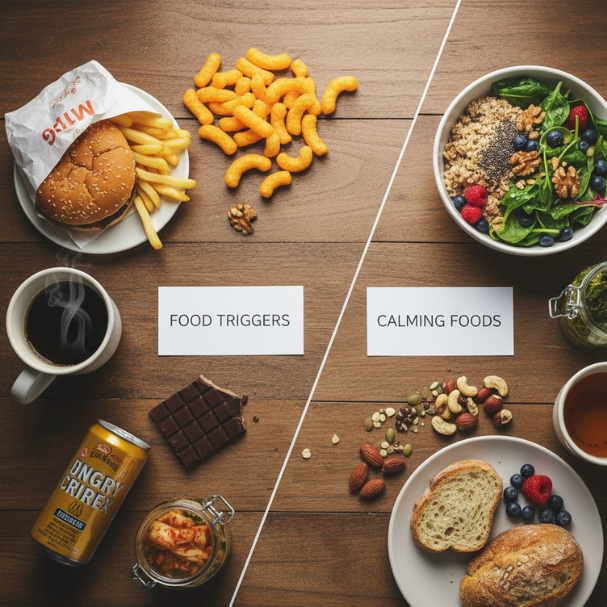
Although food triggers vary from person to person, some common ones include:
Caffeine
Caffeine stimulates the nervous system and can mimic anxiety symptoms such as a racing heart, trembling, or restlessness. For people prone to anxiety, even small amounts may intensify feelings of nervousness.
Sugary Foods
Refined sugars can cause rapid spikes and drops in blood sugar levels. This fluctuation often results in mood swings, irritability, and fatigue, which can contribute to anxiety.
Processed Foods
Highly processed snacks, fast food, and packaged meals often contain additives, preservatives, and unhealthy fats that may influence brain chemistry and mood stability.
Alcohol
While some use alcohol as a temporary way to relax, it can interfere with sleep and mood regulation, often leading to heightened anxiety once the initial effects wear off.
Food Sensitivities
Certain individuals may have sensitivities or intolerances to foods such as gluten or dairy, which can trigger physical discomfort that increases feelings of stress or irritability.
Foods That May Support Emotional Balance
Just as some foods can worsen anxiety, others may help calm the nervous system and promote balance. While nutrition counseling provides a tailored plan, some general foods known to support emotional well-being include:
-
Complex carbohydrates such as oats, brown rice, and quinoa, which provide steady energy and support serotonin production.
-
Leafy greens and vegetables rich in magnesium and B vitamins that help regulate mood.
-
Omega-3 rich foods like walnuts, flaxseeds, and fatty fish that support brain health.
-
Herbal teas such as chamomile or peppermint that promote relaxation.
-
Fermented foods like yogurt, kefir, or kimchi, which support gut health and may influence mood through the gut-brain connection.
How CBT and Nutrition Counseling Work Together
CBT and nutrition counseling complement each other because they address both the mind and body. While CBT equips individuals to manage anxious thoughts and behaviors, nutrition counseling ensures that dietary habits are not working against those efforts.

For example, someone might learn CBT strategies to calm their mind, but if they continue consuming large amounts of caffeine or sugar, their body may still stay in a heightened state of arousal, making it harder to fully benefit from therapy. Similarly, if someone reduces food triggers but does not address negative thought patterns, they may continue to struggle with anxiety.
When both approaches are combined, individuals learn to recognize how their mental habits and food choices interact. This creates a more balanced lifestyle where emotional health and physical nourishment go hand in hand.
Practical Tips to Integrate CBT and Nutrition Counseling
For those looking to combine these approaches in daily life, the following tips can be helpful:
-
Keep a Thought and Food Journal – Track both anxious thoughts and dietary habits. Over time, patterns may emerge that reveal how certain foods affect mood or energy levels.
-
Practice Mindful Eating – Use CBT mindfulness strategies during meals to slow down, notice food choices, and observe how different foods make you feel physically and emotionally.
-
Challenge Food-Related Beliefs – Some individuals with anxiety develop rigid beliefs about food. CBT can help reframe these thoughts, making dietary changes more flexible and less stressful.
-
Set Realistic Goals – Just like CBT encourages small, manageable steps, nutrition counseling works best when changes are gradual and sustainable.
-
Focus on Balance, Not Perfection – Both CBT and nutrition counseling emphasize progress over perfection. Small improvements in thinking and eating habits can lead to meaningful long-term results.
When to Seek Professional Help
Anxiety that interferes with daily life should not be ignored. If symptoms persist or worsen, seeking professional guidance is important. A therapist trained in CBT can provide structured support, while a nutrition professional can tailor dietary recommendations to your unique needs. Together, they can create a plan that addresses anxiety from multiple angles, making it easier to achieve balance.
Conclusion
Anxiety is a complex experience that affects both the mind and body. Cognitive Behavioral Therapy (CBT) provides practical strategies for changing thought patterns and behaviors that fuel anxiety, while nutrition counseling helps identify food triggers and promotes dietary habits that support emotional well-being. By combining these approaches, individuals can take a more holistic path toward calm, balance, and resilience.
Rather than focusing only on one aspect of health, this integrated approach empowers people to take charge of both their mental and physical well-being. Learning to manage thoughts while nourishing the body through mindful food choices creates a strong foundation for reducing anxiety and improving overall quality of life. At Ciranox, all you need to do is fill out our sign-up form to get your subscription and start your personalized journey toward balanced mental and physical wellness—guiding you every step of the way.