

Body image plays a powerful role in shaping self-esteem, confidence, and overall mental well-being. While many people occasionally feel dissatisfied with their appearance, for some, these feelings go far beyond typical self-consciousness. Body Dysmorphic Disorder (BDD) is a serious mental health condition where individuals become excessively preoccupied with perceived flaws in their physical appearance, even when those flaws are minor or unnoticeable to others. This obsessive concern can significantly affect daily life, relationships, and emotional health. In recent years, virtual counseling has emerged as a valuable tool to support individuals living with BDD, offering guidance, understanding, and strategies for relief.
Understanding Body Dysmorphic Disorder
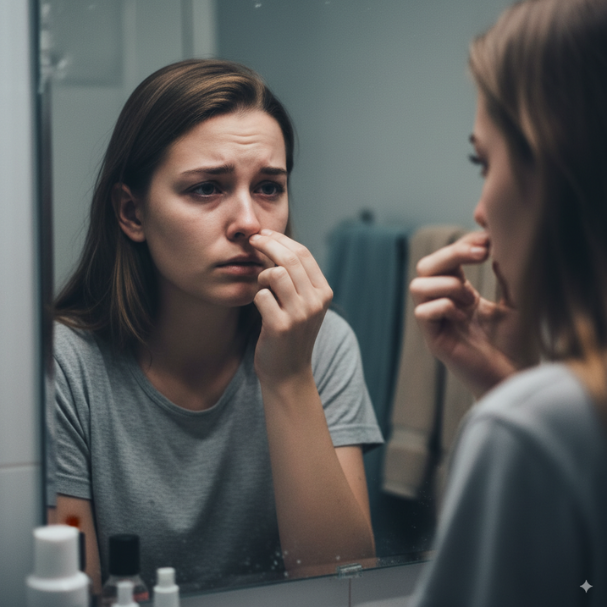
Body Dysmorphic Disorder is not simply about vanity or being overly concerned with looks. It is a condition where intrusive thoughts and intense worry about appearance create distress that can interfere with normal functioning. For example, someone might spend hours each day scrutinizing themselves in the mirror, avoiding social situations because of their perceived flaws, or seeking reassurance from others repeatedly.
BDD often centers around features such as skin, hair, nose, or body shape, though it can affect any part of the body. The important thing to understand is that the “flaws” a person sees are often invisible or insignificant to others, but to the individual with BDD, they feel overwhelmingly real and distressing.
This disorder typically begins during adolescence or early adulthood, a time when physical appearance becomes more socially significant. It can affect people of all genders, backgrounds, and lifestyles, making it a universal concern. Unfortunately, because BDD can be mistaken for ordinary self-esteem issues, many people do not realize that what they are experiencing is a recognized mental health condition.
The Emotional Toll of BDD
Living with Body Dysmorphic Disorder can feel exhausting. People often describe a constant cycle of intrusive thoughts, self-checking, and comparison. The emotional toll may include feelings of shame, embarrassment, frustration, and isolation. Relationships can be strained, as the person may withdraw from friends and family out of fear of judgment. School or work performance may also be affected when the preoccupation with appearance consumes time and energy.

The disorder is not only emotionally draining but can also lead to social avoidance. Many individuals with BDD avoid going out in public or participating in activities they once enjoyed. Some may spend excessive amounts of time grooming, applying makeup, or finding ways to conceal the perceived flaw. Others might avoid mirrors altogether. The impact on quality of life is profound, which is why understanding and addressing BDD is so important.
Recognizing the Signs of BDD
Awareness is the first step toward support and relief. Recognizing the signs of Body Dysmorphic Disorder can help individuals and their loved ones take action sooner. Some common signs include:
-
Spending significant time each day focusing on specific body parts or appearance features.
-
Engaging in repetitive behaviors such as mirror checking, grooming, or comparing oneself to others.
-
Seeking frequent reassurance from friends, family, or colleagues about appearance.
-
Feeling distressed or anxious in social situations because of appearance concerns.
-
Avoiding activities, events, or relationships due to perceived physical flaws.
-
Experiencing emotional distress, such as depression or anxiety, linked to appearance preoccupation.
If these signs sound familiar, it may be a strong indication that the concerns go beyond normal appearance-related stress and point toward Body Dysmorphic Disorder.
The Role of Virtual Counseling in BDD Support
In today’s digital world, mental health care has expanded beyond traditional face-to-face therapy. Virtual counseling provides access to licensed professionals who can offer support, education, and coping strategies through secure online platforms. For individuals with BDD, this approach can be particularly beneficial.
Virtual counseling removes barriers such as travel, scheduling challenges, and geographical limitations. It can also reduce the anxiety some people feel about leaving home or being seen in public, which can be especially important for those with appearance-related concerns. Having the option to connect with a counselor from the comfort of one’s home often makes the process more approachable and less intimidating.
Counselors working with clients who have BDD focus on helping them understand the thought patterns driving their preoccupation. They assist in developing healthier coping strategies, promoting self-compassion, and building confidence in social interactions. Over time, these sessions aim to reduce the distress associated with perceived flaws and improve overall quality of life.
Benefits of Choosing a Virtual Counselor
Virtual counseling offers multiple benefits for individuals struggling with Body Dysmorphic Disorder:
Accessibility
One of the biggest advantages is accessibility. Many people live in areas where specialized mental health services are limited. Virtual platforms connect individuals with counselors experienced in body image issues, no matter where they live.
Flexibility
Busy schedules or social avoidance can make it difficult to attend in-person sessions. Virtual counseling provides flexibility, allowing individuals to schedule appointments at times that work best for them.
Comfort and Privacy
Talking about appearance-related struggles can be deeply personal. Having sessions from home often creates a sense of safety and privacy, allowing clients to open up more freely.
Continuity of Care
Virtual counseling makes it easier to maintain consistent sessions, even during travel, illness, or life transitions. Consistency is an essential part of making progress in managing BDD.
Reduced Stigma
Some people hesitate to seek therapy because of stigma. Connecting with a counselor online can reduce that barrier, making it a more approachable first step.
Strategies Discussed in Virtual Counseling
While every individual’s journey is unique, virtual counselors often explore a range of strategies to support those living with BDD. These include:
-
Identifying Thought Patterns: Recognizing and challenging the distorted beliefs about appearance that fuel distress.
-
Developing Self-Compassion: Encouraging kindness toward oneself rather than constant self-criticism.
-
Building Healthy Habits: Creating routines that focus on overall well-being rather than appearance.
-
Enhancing Social Skills: Gradually increasing comfort in social settings and reducing avoidance behaviors.
-
Mindfulness Practices: Learning to stay present in the moment instead of fixating on perceived flaws.
Through these approaches, virtual counseling helps individuals shift their perspective and regain control over their lives.
Supporting a Loved One with BDD
Friends and family members also play a vital role in supporting someone with Body Dysmorphic Disorder. It can be difficult to know how to respond when a loved one frequently seeks reassurance or avoids social situations. Here are some supportive approaches:
-
Listen without judgment and validate their feelings.
-
Avoid dismissing their concerns, even if the flaw they mention seems minor.
-
Encourage professional support, such as virtual counseling.
-
Offer companionship in social situations to reduce their anxiety.
-
Celebrate small progress and steps toward self-acceptance.
Patience and empathy are essential, as BDD is not something a person can simply “snap out of.”
The Future of Virtual Counseling for BDD
As technology continues to evolve, virtual counseling is becoming increasingly personalized and interactive. Many platforms now offer video sessions, chat-based therapy, and even group sessions, giving individuals with BDD multiple ways to connect with support. The future may bring even more innovative tools, such as virtual reality environments designed to help individuals gradually face social situations or body image triggers in safe, controlled settings.
This shift in mental health care is making support more accessible than ever. For individuals who once felt isolated by their appearance concerns, virtual counseling offers a lifeline of understanding, guidance, and hope.
Taking the First Step Toward Relief
Seeking help for Body Dysmorphic Disorder can feel daunting, especially when the condition itself makes people feel self-conscious. But recognizing the signs and reaching out to a virtual counselor can mark the beginning of a journey toward relief and healing. While BDD may cause distress, it does not have to define a person’s life. With the right support, it is possible to build healthier thought patterns, improve self-esteem, and reconnect with the world in a more confident way.
Ciranox makes this process simple and accessible—virtual counseling sessions are just a click away. All you need to do is fill up the sign-up form to get your subscription and start your personalized journey with expert guidance. Taking this step ensures private, professional support designed to help you manage BDD, build resilience, and embrace a healthier mindset for the future.