

If you’ve started taking a GLP-1 medication—like Ozempic, Wegovy, or Mounjaro—you’ve probably heard all about its game-changing ability to support weight loss. These medications work by mimicking a natural hormone that helps control appetite, slow digestion, and regulate blood sugar levels.
But here’s the thing most people don’t realize: GLP-1 therapy isn’t a magic bullet.
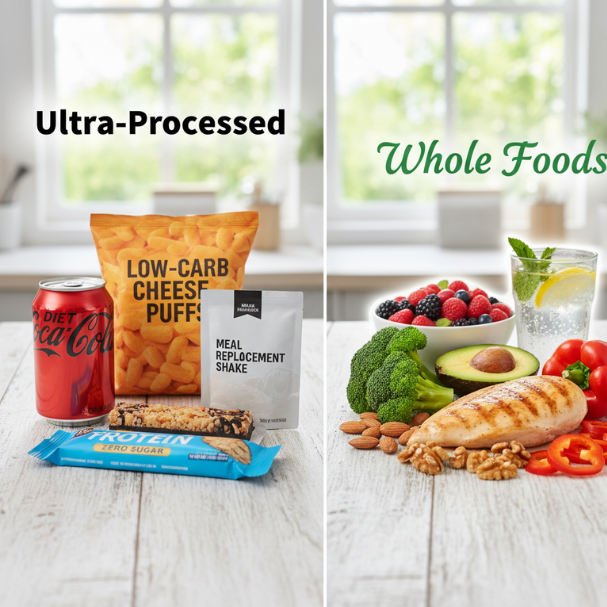 What you eat still matters—a lot.
While these medications make it easier to eat less and feel full sooner, the wrong dietary habits can slow down your progress, cause uncomfortable side effects, or even make your results plateau.
So, if you want to make the most of your GLP-1 therapy and keep your weight loss steady and healthy, here are the seven biggest dietary pitfalls you should avoid—and what to do instead.
1. Skipping Meals Because You “Don’t Feel Hungry”
One of the most noticeable effects of GLP-1 medications is appetite suppression. You simply don’t feel as hungry, which is great for reducing calorie intake. However, some people take it too far—they start skipping meals altogether because they think eating less automatically means losing more weight.
That’s a trap.
When you skip meals regularly, your body may go into “conservation mode,” slowing down metabolism. Over time, this can lead to fatigue, nutrient deficiencies, and even muscle loss—especially if your protein intake drops too low.
What to do instead:
Even if your appetite is lower, aim to eat balanced, smaller meals throughout the day. Focus on nutrient-dense foods—think lean proteins, fiber-rich vegetables, whole grains, and healthy fats. A small, protein-packed snack like Greek yogurt, cottage cheese, or a boiled egg can help stabilize energy levels and prevent overeating later on.
Pro tip: Listen to your hunger cues, but don’t ignore your body’s need for nourishment. Food is fuel—even when you’re not ravenous.
2. Not Getting Enough Protein
One of the most common mistakes people make on GLP-1 therapy is not eating enough protein. Because your appetite is reduced, you may unintentionally cut down on the foods that help maintain muscle mass. And when your body loses muscle, it burns fewer calories at rest—making it harder to sustain long-term weight loss.
Protein is also essential for keeping you satisfied. A low-protein diet can make you feel hungry sooner, which might push you toward quick, less healthy options later in the day.
What to do instead:
Aim for at least 20–30 grams of protein per meal, depending on your weight and activity level. Some good options include:
- Chicken, turkey, or fish
- Eggs and egg whites
- Tofu or tempeh
- Greek yogurt or cottage cheese
- Protein shakes or smoothies with added greens
Remember: Prioritize protein first, then build the rest of your meal around it. It’s your best defense against muscle loss and plateaus.
3. Relying on Ultra-Processed “Diet” Foods
It’s easy to get tricked by the marketing of “low-calorie,” “sugar-free,” or “zero-fat” products. But most of these are ultra-processed and packed with artificial ingredients that can actually work against your goals.
Many of these foods—like protein bars, diet sodas, or low-carb snacks—contain sugar alcohols, sodium, and additives that can cause bloating, gas, and nausea, especially when you’re on GLP-1 therapy. Your digestive system is already working more slowly due to the medication, and processed ingredients can make it harder to digest properly.
What to do instead:
Go for whole, minimally processed foods whenever possible. Think of one-ingredient items—fruits, vegetables, lean meats, nuts, seeds, and grains. These foods not only help you feel fuller but also support better gut health, which can reduce side effects like constipation or stomach discomfort.
Quick tip: If you can’t pronounce the first three ingredients on a label, it’s probably not helping your body—or your weight loss.
4. Forgetting to Hydrate Properly
GLP-1 medications can slow down stomach emptying, which sometimes causes nausea or constipation. Not drinking enough water can make these side effects worse. Plus, dehydration can mimic hunger, leading you to think you need food when you really just need fluids.
Unfortunately, many people reduce their fluid intake when their appetite decreases, simply because they forget to drink as much.
What to do instead:
Keep a refillable water bottle with you throughout the day and sip consistently. Aim for at least 2–2.5 liters (about 8–10 cups) daily. Herbal teas, sparkling water, and water-rich foods (like cucumbers or oranges) also count.
If plain water gets boring, try adding lemon slices, mint, or cucumber for flavor without extra sugar.
Bonus: Staying hydrated can improve digestion, prevent headaches, and even help you feel more energized while your body adjusts to the medication.
5. Overeating “Healthy” Foods
Here’s an interesting thing that happens to many people on GLP-1 therapy: they start focusing more on healthy eating—which is amazing—but sometimes go overboard with portion sizes of high-calorie “healthy” foods.
For example:
- A handful of nuts becomes half a bag.
- A drizzle of olive oil turns into a few tablespoons.
- A smoothie “snack” ends up being 500 calories of fruit, peanut butter, and yogurt.
Even nutritious foods can stall your progress if portions aren’t balanced. GLP-1 medications help reduce hunger, but they don’t automatically regulate calorie intake.
What to do instead:
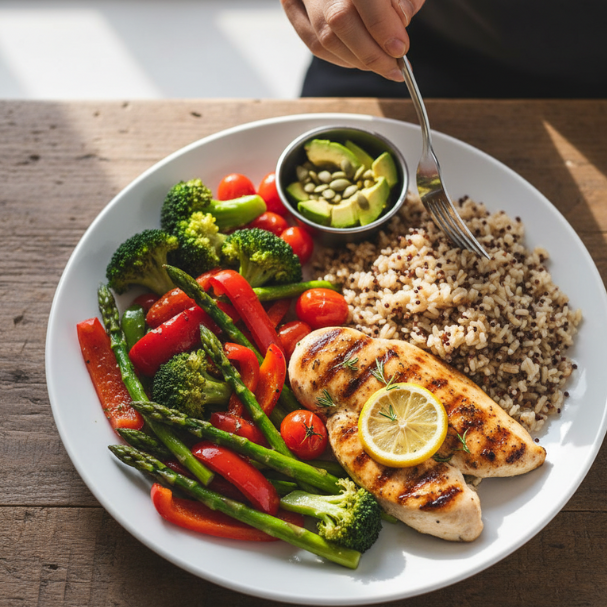
Keep your meals balanced and portion-controlled. Use the plate method as a simple visual:
- ½ plate of veggies
- ¼ plate of lean protein
- ¼ plate of whole grains or starchy veggies
For healthy fats, aim for small but satisfying servings—like a teaspoon of olive oil, a few slices of avocado, or a small handful of nuts.
Mindful tip: Eat slowly, savor every bite, and stop when you feel 80% full. Your brain takes time to register fullness, especially on GLP-1s.
6. Ignoring Fiber Intake
Fiber is your best friend on GLP-1 therapy. It keeps you full, supports digestion, and helps maintain steady blood sugar levels. However, because these medications already slow down your digestive system, not getting enough fiber—or suddenly eating too much—can cause issues.
A diet low in fiber may lead to constipation, while a sudden spike in high-fiber foods can lead to bloating or discomfort. The goal is to find a healthy middle ground.
What to do instead:
Gradually increase your fiber intake to about 25–30 grams per day. Great sources include:
- Leafy greens like spinach and kale
- Whole grains like oats, quinoa, or brown rice
- Legumes like lentils and chickpeas
- Fruits like berries, apples, and pears
- Seeds like chia or flaxseed
Pro tip: Always pair fiber with plenty of water. Fiber absorbs fluid in your gut, so hydration helps it do its job properly.
7. Drinking Too Much Alcohol or Sugary Beverages
GLP-1 medications can heighten the effects of alcohol because of slower digestion and changes in blood sugar regulation. This means that even small amounts of alcohol can hit harder, increasing the risk of dizziness, nausea, or dehydration.
Plus, alcohol and sugary drinks are packed with empty calories—they offer little nutritional value and can quickly undo your calorie deficit for the day.
Some people also notice that alcohol increases their appetite or makes them crave salty, greasy foods—which definitely doesn’t help when you’re trying to stay on track.
What to do instead:
Limit alcohol to special occasions, and choose lighter options like a glass of wine or a low-calorie spritzer. Avoid cocktails made with syrup or sugary mixers.
For everyday hydration, swap soda and juice for:
- Sparkling water with fruit
- Iced herbal tea
- Electrolyte drinks with no added sugar
Smart move: If you do drink, have it with food to slow absorption, and always hydrate before and after.
Beyond Diet: Lifestyle Habits That Enhance GLP-1 Results
While diet is crucial, it’s not the whole picture. To make your GLP-1 therapy more effective, pay attention to these simple but powerful lifestyle habits:
1. Move Your Body Regularly
You don’t need to become a gym fanatic, but adding gentle activity—like walking, yoga, or light strength training—can help preserve muscle mass and boost metabolism. Exercise also improves mood and energy, which can make your new lifestyle more sustainable.
2. Prioritize Sleep
A lack of sleep can increase hunger hormones and reduce your body’s sensitivity to GLP-1. Try to get 7–8 hours of quality sleep each night.
3. Manage Stress
Stress can trigger emotional eating, cravings, or skipped meals. Incorporate relaxation practices—like deep breathing, meditation, or journaling—to stay centered and mindful of your choices.
4. Track Progress Mindfully
Instead of obsessing over the scale, pay attention to how you feel: energy levels, digestion, and confidence in your clothes. GLP-1 therapy is about long-term transformation, not overnight change.
What to Eat for Best Results on GLP-1 Therapy
To make things simple, here’s a quick cheat sheet for what your plate should look like most days:
|
Category |
Best Choices | Why It Helps |
|
Protein |
Chicken, fish, tofu, Greek yogurt, eggs |
Preserves muscle, keeps you full |
|
Vegetables |
Spinach, broccoli, zucchini, bell peppers |
High in fiber and vitamins |
|
Whole Grains |
Oats, quinoa, brown rice, barley |
Steady energy and digestion |
|
Healthy Fats |
Olive oil, avocado, nuts, seeds |
Hormone support and satiety |
|
Fruits |
Berries, apples, pears |
Fiber and antioxidants |
| Fluids | Water, herbal tea, sparkling water |
Prevents nausea, supports digestion |
And here’s what to limit:
- Fried or greasy foods
- Sugary drinks or desserts
- Processed snacks
- Alcohol and high-sodium foods
Think of it this way: every bite you take should either fuel your body or nourish your progress.
Bringing It All Together
GLP-1 therapy can be a powerful tool for weight loss, but it’s only part of the journey. The real magic happens when you pair it with mindful eating, balanced nutrition, and healthy daily habits.
By avoiding these seven dietary pitfalls—skipping meals, cutting protein, relying on processed foods, neglecting hydration, overeating healthy fats, ignoring fiber, and drinking too much—you’ll not only enhance your results but also create a lifestyle you can maintain long after your medication ends.
Remember: the goal isn’t just to lose weight—it’s to feel good in your body, improve your health, and build habits that last a lifetime.
So, eat with intention. Move with joy. Hydrate often. And let your GLP-1 therapy be the support system—not the whole story—behind your transformation.
Final Thoughts
Your weight loss journey with GLP-1 medication is uniquely yours. Some days you’ll feel on top of the world, and others might be more challenging. But with mindful eating and smart food choices, you’ll give your body exactly what it needs to thrive. All you need to do to get started is fill out our sign-up form at Ciranox and begin your personalized journey—our team will guide you every step of the way to ensure your success and wellness.