

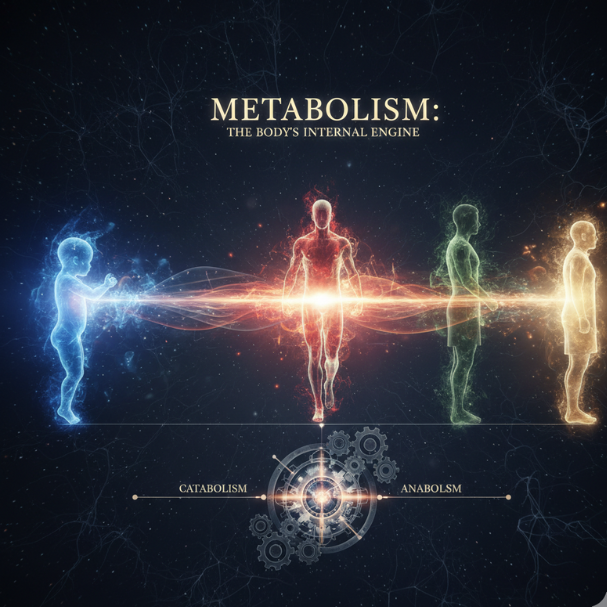
Metabolism is the body’s internal engine—a continuous process that converts food into energy to keep every cell, organ, and function running smoothly. From childhood to old age, this complex system adapts to different stages of life, influencing how efficiently the body burns calories, maintains muscle, and supports overall energy levels. Understanding how life stages affect your metabolism can help you make better lifestyle choices that support health and vitality at every age.
What Is Metabolism?
Before diving into how life stages influence it, it’s essential to understand what metabolism really means. Metabolism refers to all the chemical processes that occur in the body to maintain life. It includes two primary components:
-
Catabolism – the process of breaking down food into simpler forms to release energy.
-
Anabolism – the process of using that energy to build and repair tissues, such as muscles, cells, and enzymes.
The rate at which your body burns calories to maintain these functions is known as your metabolic rate. This rate can be influenced by several factors, including age, genetics, muscle mass, physical activity, and even hormone levels.
As we move through different life stages, these factors shift—sometimes dramatically—leading to natural changes in how our metabolism functions.
Metabolism in Infancy and Childhood
Infants and children have incredibly high metabolic rates. From birth through early childhood, the body is in a rapid growth phase—developing new tissues, strengthening bones, and supporting brain development. This constant state of building and growth demands a large amount of energy.

Babies, for example, burn calories much faster relative to their body size than adults. Their metabolism works overtime to fuel growth and maintain body temperature, which is why infants need frequent feeding.
As children grow, their metabolism continues to stay elevated. Physical activity, such as playing and running around, further boosts their energy needs. Children naturally regulate their energy intake and expenditure—when they’re active, they eat more, and when they’re less active, they tend to eat less.
However, during late childhood, as growth begins to slow, the metabolic rate gradually stabilizes. This transition prepares the body for the next major change—puberty.
The Teenage Years: Puberty and Hormonal Shifts
Adolescence brings significant hormonal changes that can influence metabolism in multiple ways. During puberty, the body experiences a surge in growth hormones, testosterone, and estrogen, leading to increased muscle development and bone density.
For boys, testosterone encourages the growth of lean muscle mass, which naturally increases the basal metabolic rate (BMR). Muscle tissue burns more calories at rest compared to fat, so boys often experience a noticeable increase in metabolism during these years.
For girls, estrogen promotes fat storage in specific areas like the hips and thighs, preparing the body for potential future fertility. While this may not slow metabolism dramatically, it changes how the body uses and stores energy.
Teens are also usually more physically active, which helps maintain a healthy metabolic rate. However, irregular eating habits, lack of sleep, and stress can sometimes throw the system off balance. It’s a time when the body is extremely adaptable but also highly sensitive to lifestyle influences.
Early Adulthood: The Peak of Metabolic Efficiency
In the late teens through the twenties, most people experience the peak of their metabolic efficiency. The body is typically strong, energetic, and resilient during this stage. Hormone levels are stable, muscle mass is at its highest, and energy levels tend to be strong throughout the day.

Your metabolism during early adulthood is heavily influenced by lifestyle habits. Regular exercise, balanced nutrition, and sufficient sleep help maintain optimal metabolic function. Because muscle mass plays such a key role in calorie burning, people who are physically active during these years tend to have a higher BMR and maintain it longer.
However, this stage also introduces new challenges. Many adults begin working full-time, studying in college, or managing multiple responsibilities. Sedentary habits can slowly creep in—less movement, irregular meals, and increased stress can begin to affect metabolism over time.
While your metabolism may still be strong, how you treat your body during this stage sets the tone for how it will perform in the years to come.
The 30s: Subtle Changes Begin
By the time most people reach their thirties, small but noticeable metabolic changes start to occur. The body’s muscle mass begins to decline gradually if not actively maintained, and the natural production of certain hormones starts to shift.
In the early 30s, energy expenditure may not differ much from the 20s, but as the decade progresses, metabolism begins to slow slightly—often by about 1–2% per decade after age 30. This means the body becomes slightly less efficient at burning energy.
Lifestyle becomes a crucial factor during this time. Many adults experience career pressures, family responsibilities, and less time for physical activity. Chronic stress can elevate cortisol levels, which may influence energy balance and appetite. Maintaining regular exercise, especially strength training, helps counteract muscle loss and supports metabolic health.
Proper nutrition, hydration, and consistent sleep are equally important to keep metabolism functioning effectively during this transitional period.
The 40s and 50s: The Metabolic Slowdown
In middle age, metabolic changes become more pronounced. The gradual decline in muscle mass, known as sarcopenia, becomes more noticeable. Because muscle tissue is metabolically active, losing it results in a slower resting metabolic rate.
Hormonal changes also play a major role during this stage. For men, testosterone levels may decline gradually, leading to reduced muscle mass and strength. For women, menopause often brings a significant drop in estrogen, which can influence how the body stores fat and uses energy.
These hormonal shifts can make it easier to gain fat and harder to maintain muscle. However, it’s not an irreversible process. Strength training, protein-rich meals, and active daily routines can help sustain metabolic function.
It’s also common for people in their 40s and 50s to experience changes in sleep patterns and energy levels. Poor sleep and high stress can negatively affect metabolic hormones such as insulin and cortisol, making it more important than ever to prioritize rest and relaxation.
The Senior Years: Adjusting to a New Normal
As the body enters the 60s and beyond, metabolism naturally slows down further. Muscle loss continues if not actively managed, and overall physical activity often decreases. Additionally, the body’s ability to synthesize protein and regenerate cells becomes less efficient.
Older adults typically require fewer calories than younger individuals because their energy expenditure decreases. However, nutrient needs remain high. It becomes essential to focus on nutrient-dense foods—those rich in vitamins, minerals, fiber, and protein—to support overall health and prevent metabolic decline.
Engaging in low-impact exercises like walking, yoga, or swimming helps maintain muscle and bone strength, improving overall energy metabolism. Even modest activity can make a big difference in how efficiently the body converts food into energy.
Hydration is another key factor for older adults. Water plays a significant role in digestion and metabolism, and dehydration can slow down metabolic processes even more.
Factors That Influence Metabolic Changes Across Life Stages
While age plays a central role in metabolism, several other factors can influence how it changes over time:
-
Muscle Mass: More muscle means a higher metabolic rate. Strength training at any age helps preserve or build muscle, boosting metabolism.
-
Hormones: Changes in thyroid hormones, estrogen, testosterone, and insulin all affect how the body burns and stores energy.
-
Physical Activity: Staying active helps maintain muscle, improve circulation, and enhance metabolic efficiency.
-
Diet Composition: Protein-rich diets support muscle repair, while fiber aids digestion and stabilizes energy levels.
-
Sleep: Rest is when the body restores balance and regulates metabolic hormones. Poor sleep can disrupt energy balance.
-
Stress Levels: Chronic stress affects hormone production, which may alter metabolism over time.
Each of these elements interacts with life stages, shaping how the body adapts to its environment and internal demands.
How to Support a Healthy Metabolism at Every Age
Although changes in metabolism are natural, they don’t have to dictate your energy levels or vitality. You can support your metabolic health through consistent and mindful habits:
-
Stay Physically Active: Incorporate a mix of aerobic and strength-training exercises. Even simple movements like walking or stretching help keep your metabolism active.
-
Eat Balanced Meals: Include proteins, healthy fats, complex carbohydrates, and plenty of fiber. Avoid skipping meals, as it can reduce metabolic efficiency.
-
Hydrate Well: Water supports every metabolic reaction in your body. Aim for adequate hydration throughout the day.
-
Prioritize Sleep: A consistent sleep schedule helps regulate hormones that control hunger and energy.
-
Manage Stress: Techniques such as meditation, deep breathing, or spending time in nature help maintain hormonal balance.
-
Maintain Muscle Mass: Resistance training, even twice a week, can make a significant difference as you age.
-
Listen to Your Body: Metabolism is not just about energy—it’s about balance. Pay attention to changes in energy levels, mood, and appetite, and adjust your habits accordingly.
The Takeaway
Metabolism is a lifelong companion that evolves as we age. From the rapid growth of childhood to the slower rhythms of older adulthood, every life stage brings unique metabolic characteristics and challenges. While some decline in metabolic rate is inevitable, lifestyle choices can greatly influence how you experience these changes.
By staying active, eating well, getting proper rest, and managing stress, you can support a healthy metabolism that sustains your body’s energy and vitality through every chapter of life. The key is not to fight your metabolism but to understand it—working with your body’s natural rhythm to nurture balance, strength, and long-term health.
With Ciranox, you don’t have to navigate this journey alone. All you need to do is fill up the sign-up form to get a personalized subscription that guides your nutrition, weight management, and overall well-being—starting your journey toward a healthier metabolism today.