

In today’s world, where convenience often takes priority over nutrition, it can be challenging to make healthy food choices. Highly processed foods dominate supermarket shelves, offering quick meals but often at the cost of nutritional balance. For anyone aiming for effective weight management, focusing on minimally processed foods can make a significant difference. These foods provide essential nutrients, help regulate appetite, and support the body’s natural energy balance without overwhelming it with artificial additives or empty calories.
Let’s explore what minimally processed foods are, how they can help in maintaining a healthy weight, and which options should be part of your daily diet.
What Are Minimally Processed Foods?
Minimally processed foods are those that are as close to their natural state as possible. They may have undergone simple processes such as cleaning, peeling, chopping, freezing, or packaging, but they have not been altered chemically or stripped of their nutritional value. Examples include frozen vegetables, plain yogurt, whole grains, nuts, and freshly cut fruits.
In contrast, ultra-processed foods — like packaged snacks, sugary cereals, instant noodles, or soft drinks — often contain added sugars, unhealthy fats, artificial flavors, and preservatives. These ingredients can disrupt your metabolism, increase cravings, and make it harder to manage your body’s natural weight balance.
By choosing minimally processed foods, you feed your body with nutrients that promote satiety, stabilize blood sugar levels, and support long-term health.
Why Minimally Processed Foods Support Weight Management
Weight management is not just about reducing calorie intake; it’s about improving the quality of calories consumed. Minimally processed foods naturally contain fiber, protein, and essential micronutrients that help the body function optimally. Here’s how they contribute to maintaining a healthy weight:
1. They Keep You Full for Longer
Minimally processed foods like vegetables, fruits, whole grains, and legumes are rich in dietary fiber. Fiber slows digestion and promotes a steady release of energy. This helps you feel fuller for longer periods, reducing the temptation to snack unnecessarily.
2. They Stabilize Blood Sugar Levels
Highly processed foods tend to cause blood sugar spikes, which lead to sudden hunger and overeating. On the other hand, minimally processed foods, especially whole grains and fresh produce, have a low glycemic index. This means they release sugar gradually into the bloodstream, providing consistent energy and curbing hunger pangs.
3. They Are Naturally Lower in Calories
Whole, minimally processed foods often contain fewer calories per gram compared to processed alternatives. For example, a bowl of fresh fruit has fewer calories but more nutrients than a packet of chips. This helps you maintain a healthy calorie balance without feeling deprived.
4. They Improve Digestive Health
A diet rich in fiber from fruits, vegetables, and whole grains supports a healthy gut microbiome. A balanced gut plays a key role in nutrient absorption, metabolism, and even appetite regulation.
5. They Support Muscle Health and Metabolism
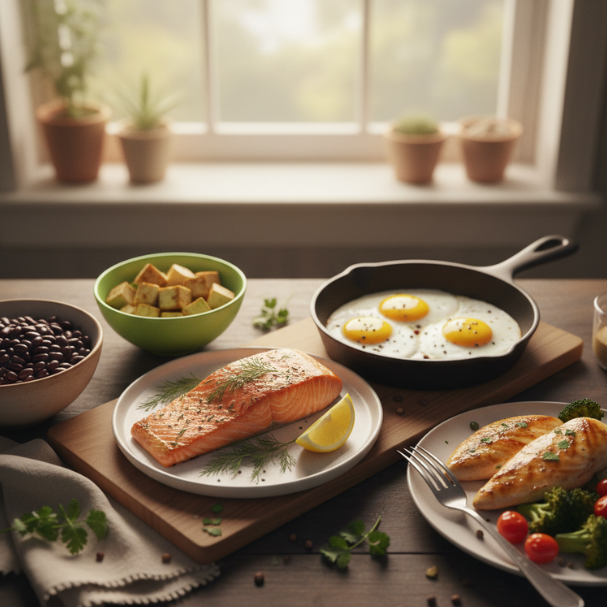
Foods such as lean meats, eggs, beans, and nuts provide quality protein that helps maintain lean muscle mass. Muscles burn more calories at rest than fat does, making protein an essential part of weight management.
Best Minimally Processed Foods for Weight Management
Let’s look at some top food groups and specific examples that fit perfectly into a minimally processed diet for effective weight management.
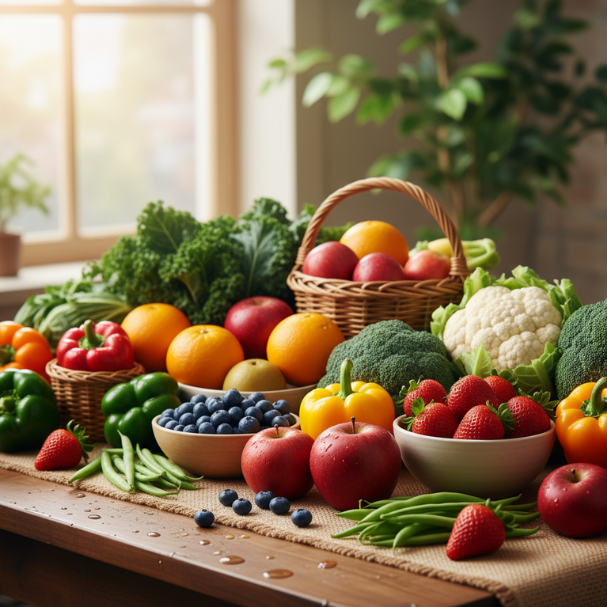
1. Fresh Fruits and Vegetables
Fruits and vegetables are the cornerstone of a healthy diet. They are low in calories, high in fiber, and packed with vitamins and antioxidants that support overall well-being.
-
Leafy greens such as spinach, kale, and lettuce are nutrient-dense and help control hunger.
-
Cruciferous vegetables like broccoli, cauliflower, and Brussels sprouts are rich in fiber and support digestion.
-
Fruits such as apples, oranges, and berries make excellent snacks, satisfying sweet cravings naturally.
When possible, opt for fresh or frozen produce without added sauces or sugars.
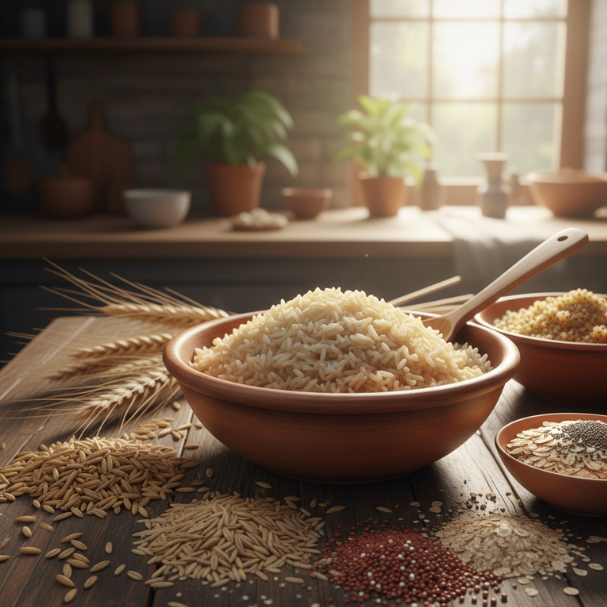
2. Whole Grains
Unlike refined grains, whole grains retain their bran and germ layers, making them high in fiber, B vitamins, and minerals. They keep you full and maintain energy levels throughout the day.
Examples include:
-
Oats
-
Quinoa
-
Brown rice
-
Barley
-
Whole wheat bread or pasta
Try replacing white rice or white bread with whole-grain versions to increase satiety and support a balanced diet.
3. Legumes and Beans
Legumes, including lentils, chickpeas, and black beans, are fantastic plant-based protein sources. They are also high in fiber, which supports digestive health and helps regulate hunger.
A bowl of lentil soup, a chickpea salad, or bean chili can serve as a satisfying meal packed with nutrients that promote a healthy metabolism.
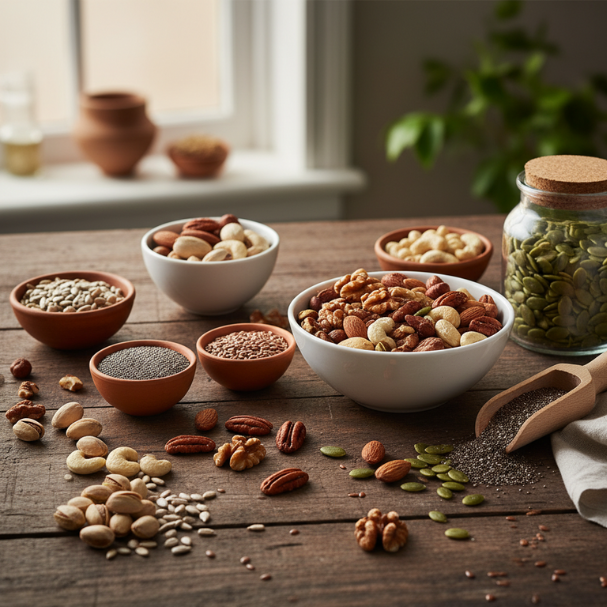
4. Nuts and Seeds
Nuts and seeds provide healthy fats, protein, and essential minerals like magnesium and zinc. While calorie-dense, they help keep hunger at bay and support brain and heart health.
Some great options are:
-
Almonds
-
Walnuts
-
Chia seeds
-
Flaxseeds
-
Pumpkin seeds
A small handful as a snack or sprinkled on oatmeal or yogurt can enhance flavor and nutritional value.
5. Lean Proteins
Protein is crucial for maintaining lean body mass and boosting metabolism. Choosing minimally processed sources ensures that you get quality nutrients without excess sodium or additives.
Opt for:
-
Eggs
-
Skinless poultry
-
Fresh fish
-
Tofu
-
Greek yogurt
These foods are versatile and can be used in countless healthy recipes that align with your weight management goals.
6. Dairy and Alternatives
Plain, unsweetened dairy products such as yogurt, kefir, and milk are minimally processed and provide calcium, protein, and probiotics for gut health.
For those who prefer plant-based options, choose fortified versions of almond milk, soy milk, or oat milk without added sugars or artificial flavors.
7. Healthy Fats
Healthy fats are vital for hormone balance, brain function, and nutrient absorption. Minimally processed sources of fats include:
-
Olive oil
-
Avocado
-
Coconut
-
Nuts and seeds
These fats add flavor and satiety to meals, helping reduce overeating and cravings.
8. Herbs and Spices
Seasoning your food with natural herbs and spices not only enhances flavor but also adds antioxidants and anti-inflammatory properties. Use fresh or dried versions instead of pre-mixed seasoning packets, which often contain excess sodium.
Try incorporating turmeric, ginger, basil, cumin, and rosemary into your cooking for both taste and health benefits.
How to Transition to Minimally Processed Foods
Making the switch to minimally processed foods doesn’t have to happen overnight. Here are some practical tips to help you make sustainable changes:
1. Shop the Perimeter of the Grocery Store
Most fresh and whole foods are found along the outer aisles — fruits, vegetables, meats, dairy, and grains. The middle aisles often contain highly processed, packaged foods.
2. Read Labels Carefully
If you buy packaged items, check the ingredient list. The shorter and more recognizable the ingredients, the better. Avoid products with added sugars, hydrogenated oils, or artificial preservatives.
3. Cook More at Home
Preparing meals at home gives you control over ingredients and portion sizes. Batch cooking whole grains, beans, or roasted vegetables can save time and make it easier to stick to a healthy plan.
4. Replace One Processed Food at a Time
Start small — swap sugary cereal for oatmeal, white bread for whole wheat, or packaged snacks for fruit and nuts. Gradual changes are easier to sustain.
5. Plan Balanced Meals
Each meal should include a balance of carbohydrates, proteins, and healthy fats. This combination supports stable energy and prevents overeating later in the day.
Common Mistakes to Avoid
Even when eating minimally processed foods, it’s easy to fall into a few traps:
-
Overeating healthy foods: Nuts, dried fruits, and whole grains are nutritious but calorie-dense. Portion control is key.
-
Ignoring beverages: Sugary drinks or flavored coffees can add unnecessary calories. Stick to water, herbal tea, or unsweetened beverages.
-
Skipping meals: Skipping meals can slow metabolism and lead to overeating later. Eat regularly and mindfully.
-
Assuming all “natural” labels mean healthy: Some products labeled “natural” or “organic” are still heavily processed. Always check the ingredients.
The Long-Term Benefits of a Minimally Processed Diet
Consistently eating minimally processed foods doesn’t just support weight management; it enhances your overall quality of life. Over time, people who focus on these foods experience:
-
Improved energy and focus
-
Better digestion and metabolism
-
Stronger immune function
-
Balanced mood and hormones
-
Reduced cravings for sugary or salty foods
By nourishing your body with real, whole ingredients, you promote a healthy relationship with food and develop habits that are easier to maintain for the long run.
Final Thoughts
Weight management is not about quick fixes or strict dieting. It’s about creating a sustainable lifestyle centered around wholesome, nourishing choices. Minimally processed foods are nature’s way of providing everything the body needs — fiber for fullness, protein for strength, and essential nutrients for vitality.
By gradually incorporating these foods into your daily meals, you can support a balanced metabolism, manage your appetite naturally, and feel more energized throughout the day. Remember, consistency matters more than perfection. Each small step toward eating more whole, minimally processed foods brings you closer to long-term wellness and a healthier relationship with food.
Start your journey with Ciranox today — simply fill out the sign-up form to get your subscription and begin personalized guidance for sustainable weight management, nutrition, and overall well-being.