

In today’s fast-paced world, stress has become an inseparable part of our daily lives. Whether it’s work deadlines, personal responsibilities, or social pressures, the constant demand to stay productive and perform at our best often leads to mental and physical exhaustion. While occasional stress can be a motivating factor, chronic stress can be harmful and may eventually lead to burnout — a state of complete emotional, physical, and mental depletion. Burnout doesn’t happen overnight; it builds gradually over time, making it crucial to recognize the signs early and apply effective stress management techniques to restore balance and prevent total collapse.
Understanding Stress and Burnout
Stress is the body’s natural response to pressure or threats. It activates our fight-or-flight response, helping us stay alert and focused in challenging situations. However, when stress becomes persistent, it can interfere with sleep, mood, concentration, and overall health. Burnout, on the other hand, is the end result of prolonged, unmanaged stress. It manifests as extreme fatigue, reduced productivity, cynicism, and a sense of helplessness.

People experiencing burnout often feel detached from their work or relationships and lose the motivation to continue doing things they once enjoyed. Recognizing the difference between everyday stress and burnout is key. Stress involves too much—too many pressures demanding too much of you physically and mentally. Burnout is about not enough—feeling empty, drained, and beyond caring.
The Importance of Managing Stress
Managing stress is not just about feeling relaxed; it’s about protecting your overall well-being. Chronic stress weakens the immune system, disrupts sleep patterns, increases the risk of heart disease, and contributes to anxiety and depression. It can also impair your ability to think clearly and make sound decisions. By learning to manage stress effectively, you can boost your resilience, enhance emotional health, and improve productivity. More importantly, you can prevent burnout before it starts.
Common Signs of Burnout
Before diving into the techniques, it’s important to identify the warning signs of burnout. These include constant fatigue even after sleeping, lack of motivation, irritability, trouble focusing, withdrawal from social interactions, and physical symptoms like headaches or muscle tension. People may also feel emotionally numb, detached, or overwhelmed by minor tasks. If you find yourself experiencing several of these symptoms regularly, it’s time to slow down and implement stress management strategies.
Prioritize Self-Care
Self-care is not a luxury; it’s a necessity. It means taking time to recharge your body and mind. Simple actions like maintaining a regular sleep schedule, eating nutritious meals, staying hydrated, and engaging in physical activity can make a significant difference. Exercise, in particular, helps release endorphins — natural mood boosters that reduce stress and improve energy levels. Even a short daily walk can help clear your mind and restore calm. Additionally, make time for hobbies or activities that bring you joy. Whether it’s reading, painting, gardening, or listening to music, doing what you love helps you stay grounded and fulfilled.
Establish Healthy Boundaries
Many people struggle with saying “no,” leading them to take on more responsibilities than they can handle. Setting healthy boundaries is essential to prevent burnout. It’s okay to decline additional work or commitments if you are already stretched thin. Communicate clearly with colleagues, friends, or family about your limits. Disconnect from work emails and messages after hours and create a distinct separation between your professional and personal life. Learning to protect your time allows you to recharge and return with renewed focus and energy.
Practice Mindfulness and Meditation
Mindfulness is the practice of being fully present in the moment without judgment. It helps you become aware of your thoughts and emotions without being overwhelmed by them. Meditation, a common mindfulness technique, has been shown to reduce stress, improve concentration, and promote emotional stability.
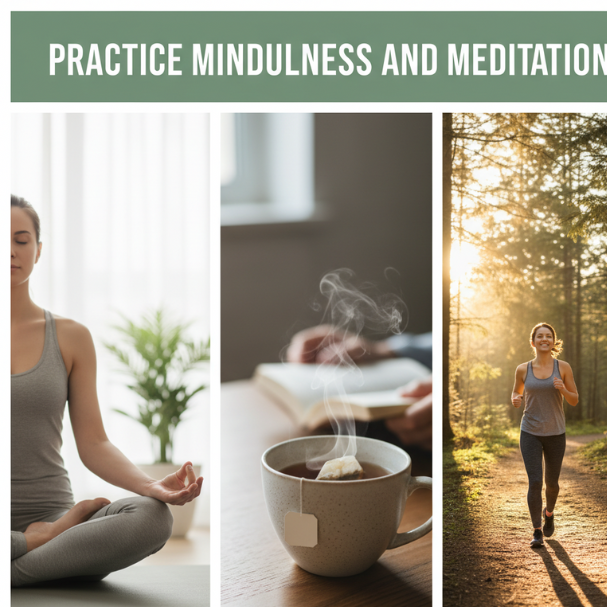
You don’t need to spend hours meditating; even 10–15 minutes a day can bring noticeable benefits. Try focusing on your breath, observing your thoughts, or listening to calming sounds. Over time, mindfulness can train your brain to respond calmly to stressful situations rather than reacting impulsively.
Manage Your Time Wisely
Poor time management is a major source of stress. When tasks pile up, it’s easy to feel overwhelmed. Start by organizing your day using simple techniques like creating to-do lists or setting priorities. Break large tasks into smaller, manageable steps and tackle them one at a time. Use productivity tools or planners to stay on track. Also, avoid multitasking, as it can increase stress and reduce efficiency. Instead, focus on one task until it’s complete before moving to the next. Scheduling short breaks between tasks can also help refresh your mind and maintain focus throughout the day.
Stay Connected with Supportive People
Isolation can worsen stress and accelerate burnout. Building and maintaining strong social connections can serve as a powerful buffer against stress. Talk to friends, family members, or trusted colleagues about what you’re going through. Sometimes, simply sharing your feelings can lighten the emotional burden.

Social support also provides perspective, helping you realize that you’re not alone in your struggles. Make an effort to spend time with positive, uplifting people who encourage and support you. Whether it’s a quick chat, a shared meal, or a group activity, social interactions foster a sense of belonging and emotional balance.
Engage in Relaxation Techniques
Relaxation techniques help calm your mind and reduce the physiological effects of stress. Deep breathing exercises, for example, slow down your heart rate and lower blood pressure, promoting relaxation. You can also try progressive muscle relaxation, where you tense and then release each muscle group in your body to release built-up tension. Gentle practices like yoga or tai chi combine physical movement with mindful breathing, improving both physical flexibility and mental clarity. Listening to calming music, spending time in nature, or even taking a warm bath can also promote a sense of peace and relaxation.
Create a Positive Work Environment
A toxic or disorganized work environment can greatly contribute to stress. Whether you work from home or in an office, your surroundings impact your mood and productivity. Keep your workspace tidy and clutter-free to promote focus.

Personalize it with elements that inspire positivity — like plants, natural light, or motivational quotes. Take short breaks to stretch or walk around, especially if you work long hours at a desk. Encourage open communication with your team or manager about workload concerns. A supportive and understanding work culture can significantly reduce burnout risks.
Get Enough Rest and Quality Sleep
Sleep is the body’s natural recovery mechanism, yet it’s often the first thing sacrificed during stressful times. Lack of sleep not only increases irritability but also impairs decision-making and weakens emotional resilience. Aim for 7–9 hours of quality sleep each night. Establish a relaxing bedtime routine — dim the lights, avoid screens before bed, and keep your bedroom cool and comfortable. Consistent sleep patterns help regulate your body’s stress hormones, allowing you to wake up feeling refreshed and focused.
Focus on What You Can Control
Many stressors come from trying to manage things beyond our control. Learning to accept what you can’t change is liberating. Instead of dwelling on what might go wrong, redirect your energy toward what you can influence. For example, you can’t control your boss’s mood, but you can control how you respond. Practice letting go of perfectionism — striving to do your best is admirable, but expecting perfection sets you up for frustration. Focus on progress rather than perfection, and celebrate small victories along the way.
Practice Gratitude
Gratitude is a powerful tool for shifting perspective. When you focus on what’s going well in your life rather than what’s lacking, stress levels decrease naturally. Keeping a gratitude journal, where you write down three things you’re thankful for each day, can rewire your brain to notice the positives. Expressing gratitude to others also strengthens relationships and fosters happiness. Over time, gratitude promotes a more optimistic outlook, which helps you handle stress with greater resilience.
Disconnect from Technology Occasionally
While technology keeps us connected and productive, constant digital engagement can lead to mental fatigue. The endless stream of notifications, emails, and social media updates can overwhelm the brain. Make it a habit to unplug from devices periodically. Try setting aside “screen-free” hours during your day, especially before bedtime. Use this time to read, meditate, or spend quality moments with loved ones. Digital detoxing helps you recharge mentally and reduces the constant sense of urgency that modern technology often creates.
Cultivate a Growth Mindset
A growth mindset — the belief that abilities and intelligence can be developed through effort — helps you view challenges as opportunities rather than threats. Instead of feeling defeated by stress, see it as a signal that something needs adjustment. People with a growth mindset are more adaptable, resilient, and better equipped to bounce back from setbacks. To cultivate this mindset, replace negative self-talk with constructive thoughts, seek feedback, and focus on learning from experiences. This shift in perspective can reduce stress and empower you to handle difficulties with confidence.
Spend Time in Nature
Spending time outdoors is one of the simplest and most effective ways to relieve stress. Nature has a calming effect that helps lower blood pressure, slow heart rate, and reduce cortisol levels. Whether it’s a walk in the park, a weekend hike, or just sitting in your garden, being surrounded by natural beauty can help clear your mind and restore emotional balance. Exposure to sunlight also boosts serotonin levels, improving mood and energy. Make it a routine to spend at least a few minutes each day in nature to reconnect with yourself.
Keep a Balanced Perspective
When stress takes over, it’s easy to lose perspective and magnify problems. Learning to view challenges objectively can reduce emotional overwhelm. Try asking yourself whether the issue will still matter in a week, month, or year. This simple mental exercise can prevent minor setbacks from escalating into major stressors. Also, remind yourself that it’s okay not to have everything figured out. Life is unpredictable, and uncertainty is part of the human experience. Maintaining perspective allows you to respond calmly instead of reacting impulsively to stress.
Final Thoughts
Preventing burnout isn’t about eliminating all stress — that’s impossible. It’s about learning to manage it effectively and building resilience to handle life’s demands. By practicing self-care, setting boundaries, staying mindful, and nurturing supportive relationships, you can maintain a healthy balance between productivity and well-being. Remember, burnout doesn’t happen overnight, and recovery takes time. Prioritize your mental and emotional health as you would your physical health. Taking small, consistent steps toward stress management can transform your life, helping you stay energized, focused, and fulfilled even in challenging times. All you need to do to start your journey with Ciranox is fill out our sign-up form to get subscription access to our expert-guided mental health, nutrition, and wellness programs — your path to a healthier, more balanced life begins today.