

The human body is made up of intricate systems that work together to maintain overall health, balance, and energy. One of the most overlooked yet highly important systems is the lymphatic system. Unlike the circulatory system, which has the heart to pump blood, the lymphatic system relies heavily on movement, hydration, and natural stimulation to function effectively. In recent years, interest in lymphatic massage has grown significantly, especially as people seek natural ways to improve body function, reduce bloating, and support weight management. But how effective is lymphatic massage in achieving these goals? Let’s dive deep into the science, benefits, and practical aspects of lymphatic massage to understand whether it can truly help with weight management and bloating.
Understanding the Lymphatic System
The lymphatic system is a crucial part of the body’s immune and fluid regulation process. It is made up of a network of vessels, lymph nodes, and organs that work together to transport lymph fluid throughout the body. Lymph fluid carries white blood cells, proteins, and waste products, playing a vital role in immunity and detoxification.
Since the lymphatic system does not have a central pump, it relies on physical activity, breathing, and manual stimulation to keep fluids moving efficiently. When the lymphatic system becomes sluggish due to inactivity, dehydration, or poor lifestyle habits, people often experience water retention, puffiness, and bloating. This is where lymphatic massage comes into play.
What is Lymphatic Massage?
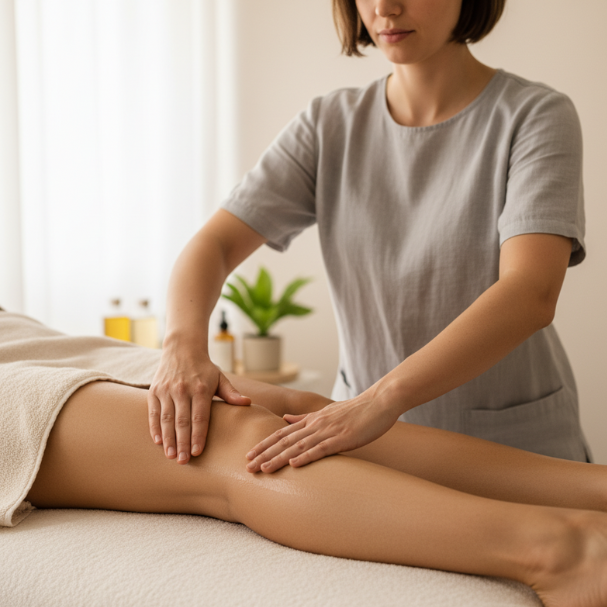
Lymphatic massage, also called manual lymphatic drainage, is a gentle technique designed to stimulate the flow of lymph fluid in the body. Unlike deep tissue massage, which targets muscles, lymphatic massage uses light, rhythmic, and sweeping strokes to encourage fluid movement toward the lymph nodes. This type of massage can be performed by trained professionals or even practiced at home with simple self-massage techniques. The focus is not on pressure but on guiding the lymph in the right direction, supporting detoxification, reducing water retention, and enhancing circulation.
Can Lymphatic Massage Help Manage Weight?
When discussing weight management, it is important to understand that lymphatic massage is not a direct method of burning calories or fat. Instead, it supports the body’s natural processes that can indirectly aid in maintaining a healthy weight. Many individuals who struggle with weight fluctuations often face fluid retention and poor circulation, which can make them feel heavier or more sluggish. Lymphatic massage can reduce excess fluid buildup, making the body feel lighter and less bloated. By supporting detoxification, lymphatic massage may also improve digestion and nutrient absorption, which are key factors in maintaining balance in body composition. While lymphatic massage should not be viewed as a standalone solution for managing body weight, it can be a supportive therapy when combined with a balanced diet, regular physical activity, and hydration. The primary benefit lies in creating an internal environment where the body functions more efficiently, which naturally contributes to healthier weight management.
Lymphatic Massage and Bloating
Bloating is one of the most common complaints among adults, often caused by digestive issues, hormonal fluctuations, or water retention. Lymphatic massage is particularly effective for bloating that stems from fluid imbalance. By encouraging lymphatic flow, massage helps release trapped fluids and reduces abdominal swelling, leading to a flatter and more comfortable midsection. Many individuals report immediate relief from bloating after a session of lymphatic drainage massage. Unlike bloating caused purely by digestive gas or certain foods, fluid-related bloating responds well to lymphatic stimulation. Additionally, since the massage improves circulation and relaxation, it may help ease discomfort and support better digestive processes, indirectly reducing bloating episodes over time.
The Role of Circulation and Detoxification
One of the biggest advantages of lymphatic massage is its effect on circulation and detoxification. The lymphatic system works closely with the circulatory system to filter waste products, toxins, and excess fluid. When this system slows down, toxins can build up, and circulation may become less efficient. This not only causes bloating but can also make it harder for the body to regulate energy and maintain overall vitality.

Lymphatic massage acts as a manual boost for the lymphatic system, helping move waste products toward elimination pathways. With better circulation, tissues receive more oxygen and nutrients, which improves overall body function. Enhanced detoxification also reduces the likelihood of inflammation and fluid retention, both of which contribute to bloating and feelings of heaviness.
Stress, Hormones, and the Lymphatic Connection
Stress is a significant factor that affects both body weight management and bloating. When the body is under stress, hormone levels fluctuate, often leading to water retention, increased appetite, and slower digestion. Lymphatic massage offers deep relaxation by activating the parasympathetic nervous system, also known as the “rest and digest” state. This relaxation not only helps reduce stress-related fluid retention but also supports better hormonal balance. For individuals who experience bloating around their menstrual cycle or during periods of high stress, lymphatic massage can be especially beneficial. By calming the nervous system and improving fluid flow, it addresses both the physical and emotional aspects of bloating.
Lymphatic Massage as Part of a Holistic Lifestyle
While lymphatic massage offers many benefits, its true effectiveness comes when it is combined with healthy lifestyle habits. Staying hydrated is one of the most important factors, as lymph fluid is primarily made of water. Without proper hydration, even the best massage cannot move fluids efficiently. Regular physical activity also supports lymph flow since muscle contractions help pump lymph fluid through the vessels. A diet rich in whole foods, fiber, and natural nutrients supports digestion and reduces the chances of fluid retention. When combined with these practices, lymphatic massage can amplify the results, making it an excellent addition to a holistic wellness routine.
Common Techniques in Lymphatic Massage
Lymphatic massage involves a set of specialized techniques that focus on gentle, repetitive strokes. Some common techniques include circular motions applied to lymph node areas, pumping movements that mimic natural lymphatic flow, and stretching strokes that encourage fluid movement. The massage usually begins at the lymph nodes in the neck and chest, creating space for fluid to drain before working on other parts of the body like the arms, legs, and abdomen. Self-massage techniques can also be practiced at home, focusing on areas prone to fluid buildup such as the legs or stomach. However, professional sessions are often recommended for more effective and comprehensive results.
What to Expect After a Lymphatic Massage
After a lymphatic massage session, many people feel lighter, more relaxed, and notice reduced bloating. It is common to experience increased urination as the body eliminates excess fluid. Some individuals may feel more energized, while others feel deeply relaxed and ready to rest. To maximize benefits, drinking water before and after a session is crucial, as hydration helps flush out toxins and support the lymphatic system’s work. The effects of lymphatic massage can last for several days, and regular sessions may provide long-term improvements in fluid balance and overall body comfort.
Who Can Benefit from Lymphatic Massage?
Lymphatic massage is suitable for almost anyone looking to reduce bloating, support healthy weight management, or simply improve circulation. Individuals with sedentary lifestyles, frequent travelers, or those who spend long hours sitting often benefit the most, since lack of movement can slow down lymphatic flow. People who experience swelling in the legs, puffiness in the face, or digestive discomfort may also find relief. Athletes often use lymphatic massage to support recovery, as it helps clear metabolic waste and reduces muscle soreness. Overall, lymphatic massage is a versatile therapy that can enhance well-being for people from different walks of life.
Final Thoughts
Lymphatic massage is not a quick fix or a magical solution for managing body weight or bloating, but it is a powerful supportive therapy. By stimulating the body’s natural detoxification and fluid regulation system, it helps reduce bloating, improve circulation, and create an internal environment that supports overall balance. For weight management, lymphatic massage plays more of a complementary role, helping the body feel lighter, less inflamed, and more efficient in its processes. When combined with hydration, nutrition, movement, and stress management, it can make a noticeable difference in both appearance and comfort. If you are seeking natural ways to enhance your wellness journey, lymphatic massage can be a gentle yet effective practice to consider. It not only addresses physical discomforts like bloating but also promotes relaxation, making it a valuable tool for holistic health.
To start experiencing the benefits of lymphatic massage and other supportive therapies, all you need to do is fill out the Ciranox sign-up form. Once you get your subscription, our team will guide you step by step, creating a personalized plan that integrates massage, nutrition, and overall wellness strategies to help you feel your best.