

The conversation around GLP-1 medications often focuses on appetite regulation, blood sugar control, and metabolic health. But there is another essential layer to this story that deserves equal attention: the gut. Your digestive system plays a central role in how your body responds to GLP-1 therapy—especially when using microdoses.
Microdosing GLP-1 medications has become increasingly popular among people who want long-term wellness benefits without the digestive discomfort sometimes associated with higher doses. From a dietitian’s perspective, this approach offers a unique opportunity: leveraging the metabolic support of GLP-1 while intentionally nurturing digestive health.
This comprehensive guide explores how GLP-1 microdosing affects the gut, why prioritizing digestive support matters, and what practical, nutrition-focused habits can help you feel your best while on a microdosing journey.
Understanding GLP-1 and the Gut Connection
GLP-1 is a naturally occurring hormone released by the gut after eating. It helps regulate appetite, stimulates insulin secretion, slows gastric emptying (the speed at which food leaves your stomach), and supports blood sugar stability.
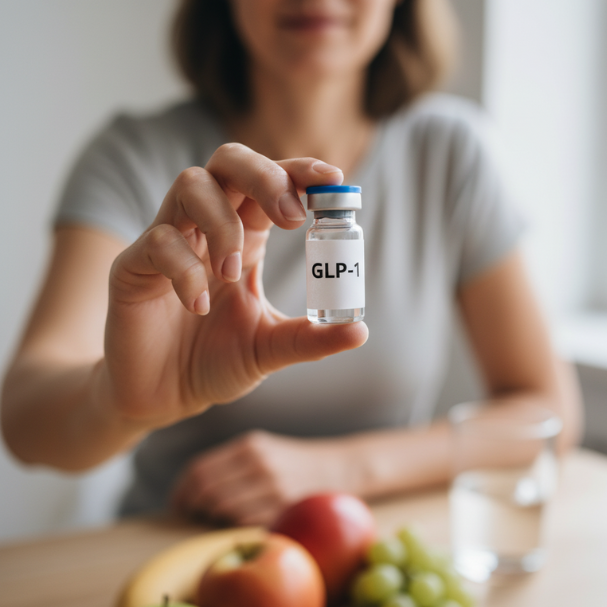
When GLP-1 medications mimic this hormone, they enhance these same processes. While beneficial for metabolism, these effects can directly influence digestion—which is why some people experience symptoms like constipation, nausea, or early fullness at higher doses.
Microdosing, however, introduces GLP-1 at a gentler level. By using a fraction of a typical therapeutic dose, individuals may still benefit from appetite regulation and metabolic support while reducing the intensity of side effects.
How GLP-1 Microdosing Affects the Gut
1. Slower Gastric Emptying—But More Ideally Balanced
One of the hallmark effects of GLP-1 is delayed gastric emptying. This slowing is not inherently negative; in many cases, it’s beneficial. A slightly slower digestive pace:
- Supports more stable post-meal blood sugar levels
- Enhances feelings of satiety
- Reduces the desire to snack frequently
However, at higher doses, this slowdown can become too pronounced. That’s when common side effects appear: bloating, constipation, nausea, or feeling uncomfortably full after small meals.
With microdosing, many individuals experience a more moderate slowing of digestion, which tends to feel more natural and less disruptive. Gastroenterology professionals increasingly observe that gentle dosing provides metabolic support without the dramatic digestive impact often seen at full doses.
Still, even with microdosing, the gut benefits from intentional care. Hydration, fiber intake, and microbiome balance all influence how comfortable digestion feels.
2. Improved Gut Motility With Proper Support
While GLP-1 slows stomach emptying, it does not necessarily slow bowel motility when the diet is well-balanced. In fact, some people notice steadier digestion once they adopt the right nutritional habits.
Supporting motility becomes easier when:
- Fiber intake is consistent
- Daily hydration is sufficient
- Meals are spaced in a rhythm the gut can comfortably process
- Beneficial gut bacteria are nourished
This is why microdosing is often paired with supportive lifestyle strategies—it creates an environment where the gut can adapt more comfortably.
The Microbiome Connection
Your gut microbiome is a vast ecosystem of trillions of microorganisms—bacteria, fungi, and other microbes that influence digestion, inflammation, immunity, and even mood.
Emerging research shows that GLP-1 therapies may interact with this ecosystem in multiple ways:
- By slowing gastric emptying, they indirectly change how food is processed, which can influence microbial diversity.
- They may support a more balanced gut environment by stabilizing blood sugar, creating conditions beneficial for microbial harmony.
- They can reduce gut irritation that comes from rapid fluctuations in appetite or erratic eating patterns.
However, GLP-1—especially at microdoses—is not a direct microbiome treatment. Instead, it creates conditions that may support healthier digestion, while your lifestyle and diet ultimately determine microbial resilience.
With intentional gut support, microdosing can feel smooth and sustainable.
Dietitian-Approved Tips for Supporting Gut Health During GLP-1 Microdosing
Because digestion changes slightly with GLP-1 use, a supportive nutritional strategy helps the body adjust comfortably. The following recommendations reflect practical, evidence-informed guidance that individuals often find helpful while microdosing.
1. Prioritize Fiber—Aim for 25–35 Grams Daily
Fiber is essential for digestive comfort, bowel regularity, and microbiome health. It also helps minimize constipation that may occur when gastric emptying slows.
A balanced approach includes both:
Soluble fiber
Absorbs water and forms a gel-like texture, helping regulate digestion.
Great sources include:
- Oats
- Beans and lentils
- Chia seeds
- Apples
- Citrus fruits
Insoluble fiber
Adds bulk to stool and helps prevent sluggish bowels.
Found in:
- Leafy greens
- Whole grains
- Nuts and seeds
- Vegetables like broccoli or cauliflower
Dietitian tip:
Increase fiber gradually. A sudden jump can trigger bloating, especially when combined with slowed gastric emptying.
2. Add Probiotic-Rich Foods for Microbiome Balance
Probiotics replenish beneficial bacteria and help maintain microbial diversity.
Common probiotic foods include:
- Yogurt
- Kefir
- Sauerkraut
- Kimchi
- Fermented pickles
- Miso
If your diet rarely includes these foods, a probiotic supplement may also be helpful, as long as it’s recommended by your healthcare provider.
3. Use Meal Timing to Reduce Discomfort
A slower stomach means large meals may feel uncomfortable. Eating rhythm matters.
Try these habits:
- Choose smaller, balanced meals instead of oversized portions.
- Space meals evenly throughout the day to prevent overloading the stomach.
- Practice mindful eating, focusing on slow, relaxed chewing.
These strategies can significantly reduce bloating or pressure after eating.
4. Stay Well Hydrated—And Support Electrolyte Balance
Hydration is essential for fiber to work properly. Without enough water, fiber can worsen constipation.
To keep digestion smooth:
- Drink water consistently throughout the day.
- Include mineral-rich foods (fruits, vegetables, nuts).
- Consider electrolyte beverages if you’re sweating heavily or feeling dehydrated.
Electrolytes help water reach cells efficiently, improving overall digestive flow.
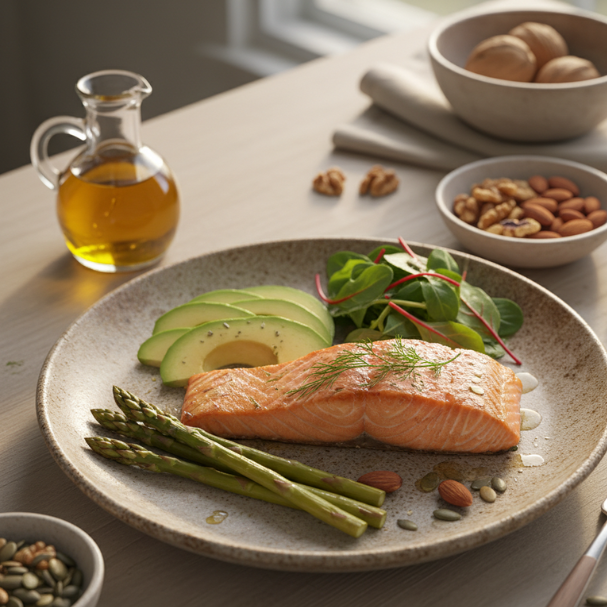
5. Support Natural Bile Flow With Healthy Fats
Bile plays a major role in fat digestion and nutrient absorption. Healthy fats signal the gallbladder to release bile, supporting smooth digestion.
Include moderate amounts of:
- Avocado
- Nuts and seeds
- Olive oil
- Fatty fish
- Coconut in small amounts
These fats help keep digestion balanced and support nutrient absorption.
6. Listen to Your Body’s Signals
Every digestive system responds differently to GLP-1 microdosing.
Pay attention to:
- Early fullness
- Bowel movement frequency
- Hunger patterns
- Reactions to certain foods
If something feels uncomfortable, adjusting meal timing, portion size, or food choices often brings noticeable improvement.
Long-Term Gut Health and the Role of Microdosing

Microdosing GLP-1 may offer a smoother, more sustainable experience than full-dose therapy. Because digestion is less dramatically affected, the gut has more room to adapt without significant stress.
Potential long-term benefits when paired with supportive nutrition include:
- More stable digestion
- Improved relationship with food
- Better microbiome balance
- Reduced inflammation
- Steady, comfortable eating habits
While more research is needed to understand the full scope of gut-related effects, dietitians often see positive trends when clients combine microdosing with consistent lifestyle support.
Final Thoughts
GLP-1 microdosing provides a balanced approach that supports metabolic health while reducing digestive strain. But no medication works in isolation. Your gut thrives when you nourish it intentionally—with fiber, hydration, probiotics, balanced meals, and mindful lifestyle choices.
At Ciranox, we guide you through every step of your health journey, ensuring your GLP-1 microdosing experience is safe, effective, and tailored to your needs. All you need to do is fill up our sign-up form to get started, and our expert team will help you optimize your nutrition, support your gut, and maintain long-term wellness. With Ciranox, achieving your health goals is simple, personalized, and sustainable.